 By:
By: For those familiar with combustion engines, it may seem utopian that ICE can achieve an efficiency greater than 50%, but it is not. F1 already boasted efficiency values above 50% in the last regulation era, and while it could be just below that this year, with the announcement of a power imbalance between the end-to-electric side in 2027, the category has also effectively set the efficiency limit for next year's power units.
F1 to reach 450 kW ICE power through joint work
Currently, with the limit power set at 400 kW, the efficiency value resulting from fuel use alone is close to (or just below) 48%. For 2027, the Federation plans to introduce changes to the maximum energy flow rate achievable from combustion, but if it were to reach the established 450 kW (an increase of 50 kW) with fuel alone, this would lead oil companies to reach a flow rate close to 3375 MJ/h. A value they probably won't be able to get. So the next question is: what else could be improved?
Surely there will be joint progress. The FIA will increase fuel energy flow and teams will be able to increase combustion efficiency inside their ICE cylinders. We first analyzed what would be beneficial if there were an exclusive improvement for oil companies, now if we look only at producers, to obtain the 450 kW of power without counting on any improvement in their partial networks, they would have to achieve an efficiency of 54%.
As already mentioned, however, this will be a joint effort, but we can already say that ICE's efficiency will certainly exceed 50%, another time. This will allow, with a lower power ratio required by electric cars (300 kW compared to the current 350 kW), to have higher-performing cars during qualifying and the race, resulting in increased spectacle and action on the track. Increasing thermal power will allow for more consistent performance at every stage of the weekend. Fans will certainly be more satisfied.
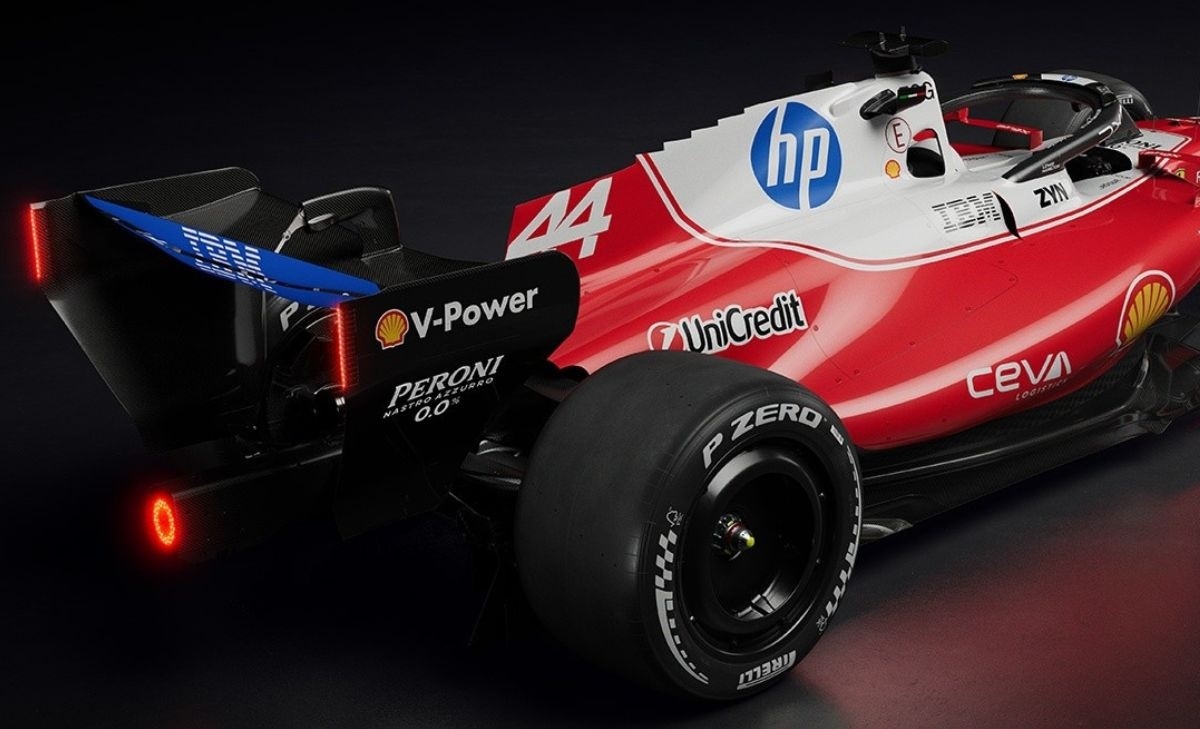
Photo: Ferrari
Read also in italian language: Efficienza sopra al 50 per cento. Così la F1 vuole riprendersi il pubblico nel 2027