 By:
By: You must have guessed the topic we want to talk about. During pre-season testing in Bahrain, there was much discussion about the advantage Scuderia Ferrari would have on the starting grid under normal conditions. The italian team was aware of the problems associated with the turbo-lag phenomenon, so it sacrificed the benefits provided during the race by a large turbine by adopting a smaller one so that it could sprint within the times set by the grid.
Ferrari had publicly highlighted the problem last season, at the FIA tables. Mercedes, however, despite everything, decided to adopt a larger turbine to have greater reliability and efficiency in the race, with the result that starts, with traffic lights going out within a set delta time, would be much slower than those of Ferrari-powered cars.
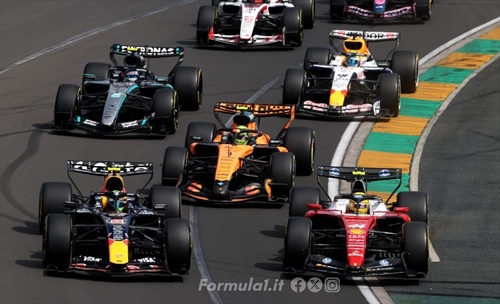
For the Federation, the safety aspect related to starts (cars that are too slow are a real barrier for those who start better from behind) included only two solutions: either start the slower cars from the pit lane, or help them have a start similar to that of the SF-26. So the FIA, just days before the Australian GP, announced it had opted for the latter option, increasing the drivers' time before the start, thus increasing the number of laps and solving the turbo-lag problem. This decision penalizes those who achieved better results. In this case the house of Maranello.
Complaining is pointless, we need to propose alternatives
After the FIA issued its decision, team principal Frédéric Vasseur had many kind words about Ferrari not sharing the position taken by the Federation, but first? What happened from the Bahrain tests in Melbourne? Nothing. Or rather, he may have complained, but did he propose alternatives, did he propose solutions?
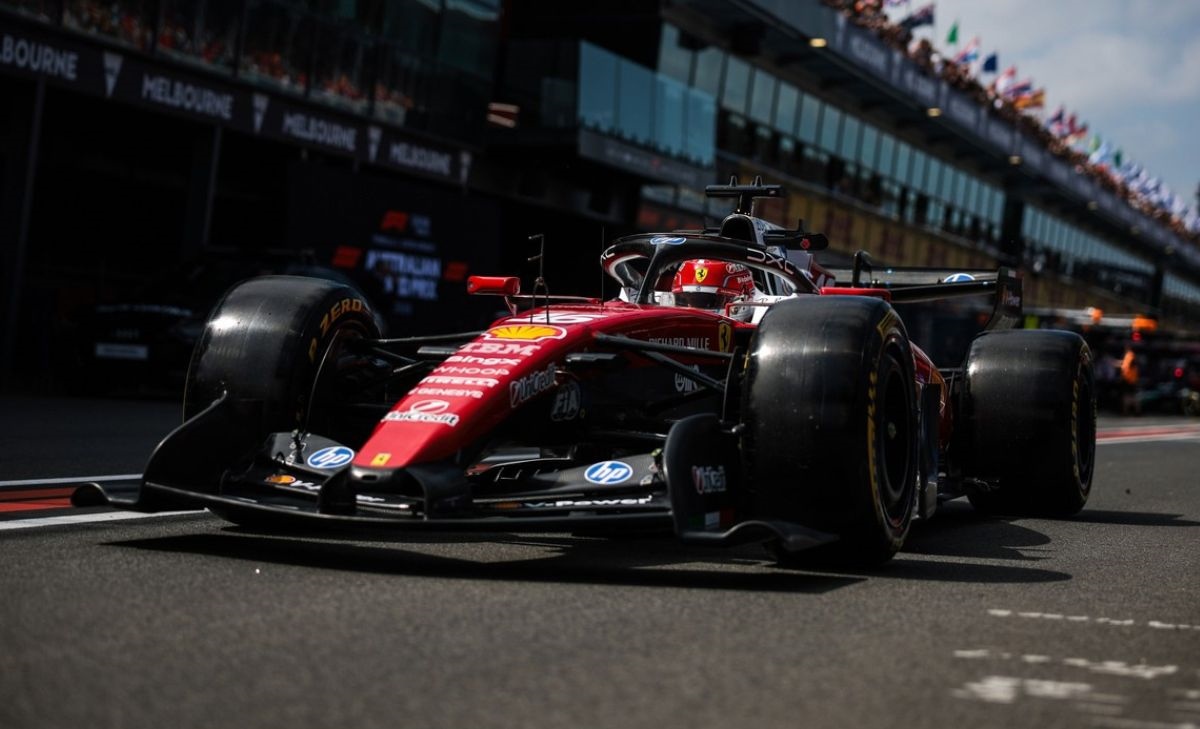
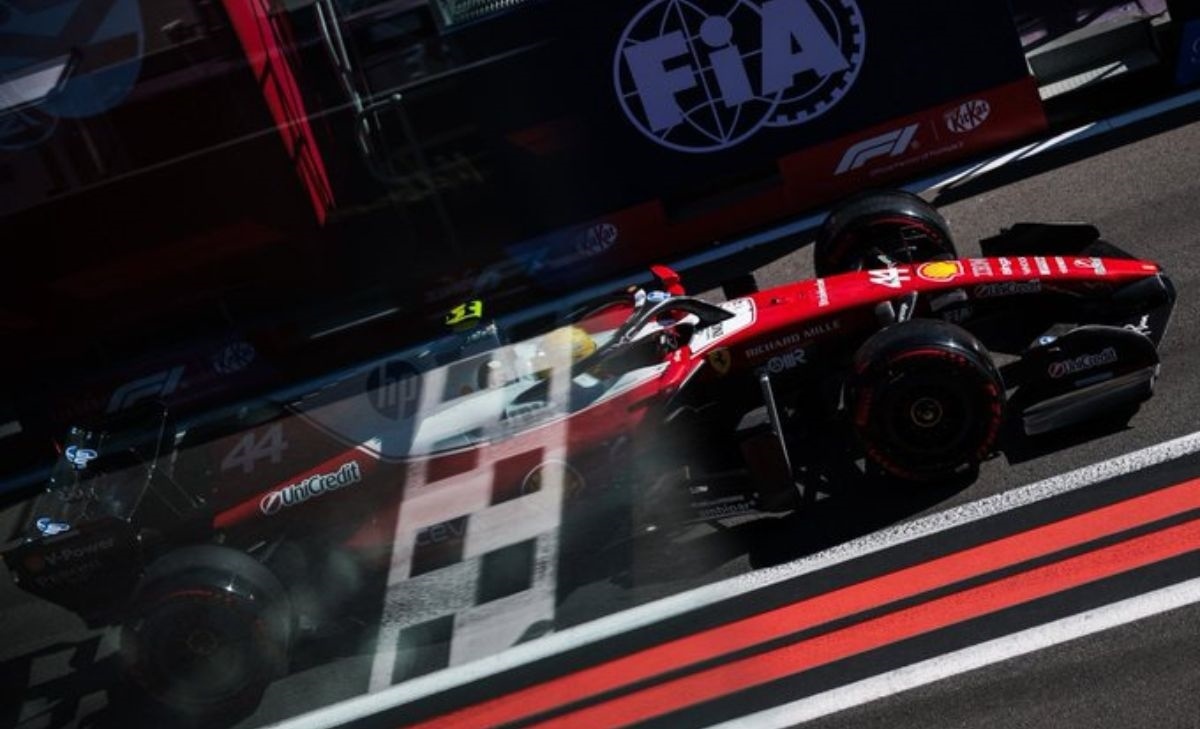
Charles Leclerc at the wheel of the Ferrari SF-26 in the pit lane of the Albert Park circuit (GP Australia 2026)
It was clear that the FIA would never agree to start eight cars from the pit lane, if not more (Mercedes, McLaren, Williams and Alpine, if there were no other drivers). Complaining is pointless, we need to propose alternatives.
We, for example, have developed one, that of effectively constituting a double grid, that is, zone A and zone B. Obviously, ours is a similar real proposal that probably would not have been accepted anyway. But at least it's an alternative. Sometimes you just throw the hook and see if someone takes the bait (quote from a Robin Hood movie).
Even our bizarre proposal would have been quite simple to implement. To avoid penalizing those who worked better while remaining in compliance with the regulations, it would have been enough to do three things: distinguish between fast and non-fast cars, carry out qualifying as was done today and subsequently from that classification, slide the slower cars downwards, to form grid B, while those that have no problems starting would have started forward, in grid A.
This alternative may seem absurd, but at least it respects all the sound principles of sport: safety (if those in front start quickly, they have no impediments) and meritocracy. Ferrari, despite having worked well and within the limits of legality, loses a technical advantage it had acquired and which no one will give back to it by now.
Cover photo: X, Ferrari, Internal photo: Ferrari
Read also in italian language: Doppia griglia: la proposta mai fatta dalla Ferrari
All the news, photos, weather, session times and times from the Chinese GP 2026