 By:
By: The beauty of modern Formula 1 is that you never know what to expect. While the pecking order at the front now appears fairly well defined, with drivers separated by tiny margins, lower down the order performance convergence, at least in qualifying, still looks like a utopian ideal.
A very tight leading group
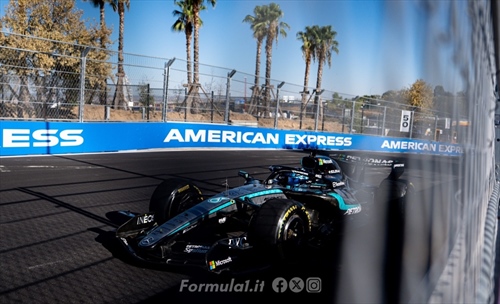
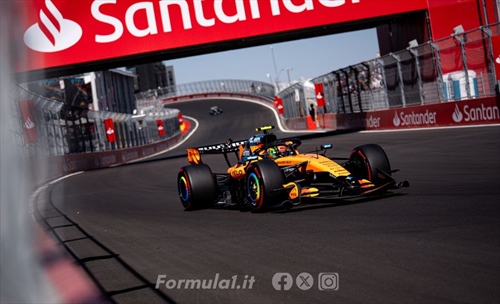
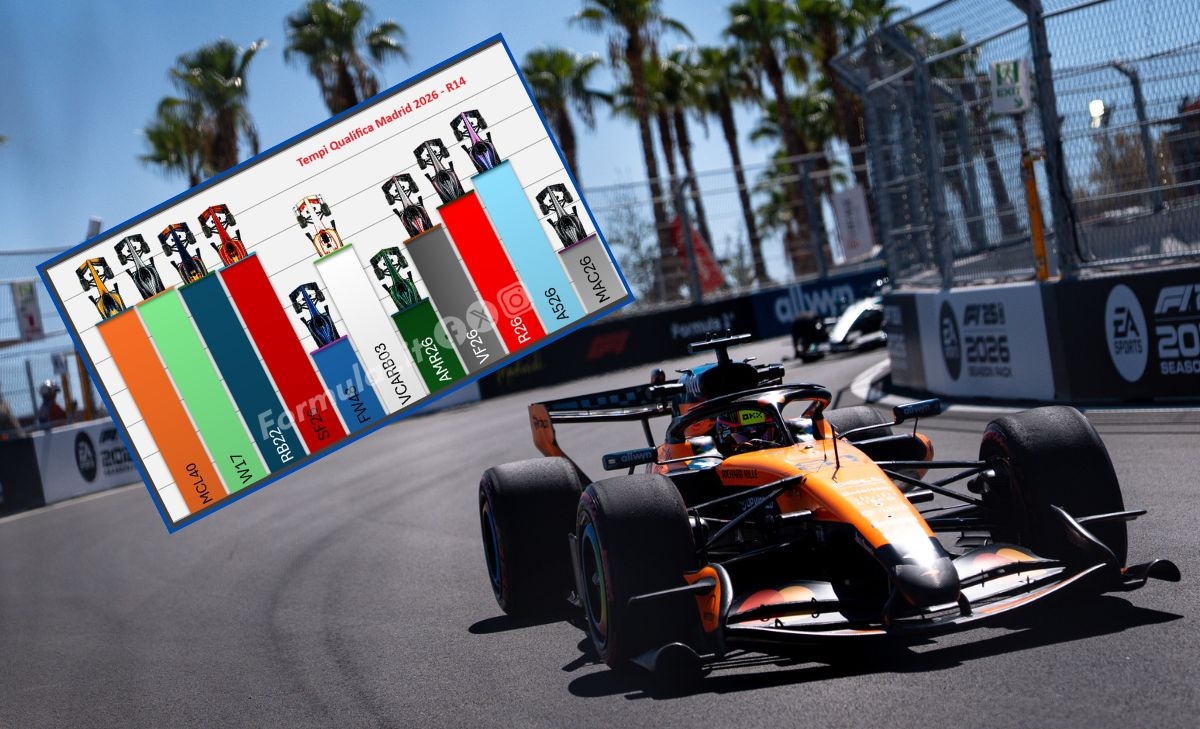
Compared with Monza, the overall picture has been completely turned upside down. McLaren is proving very quick at circuits where slow corners dominate. Norris takes pole position, but by only a few thousandths, with Mercedes, Red Bull and Ferrari all very close behind. Four teams covered by a gap of just 189 thousandths. The papaya cars are strong, yes, but not overwhelmingly so.
The rest of the grid is still too far behind the leader
Unfortunately, though, if we look further down the order, we have to go as far as a gap of around one second to find Alpine (which took pole with Gasly at Monza). Then come VCARB, Audi and Haas, a further eight tenths back (1.8 seconds off the leader overall). Taking a decisive step backwards are Williams, Aston Martin and Cadillac, which find themselves facing a deficit of between 3.5 and four seconds.
[[[og]]]
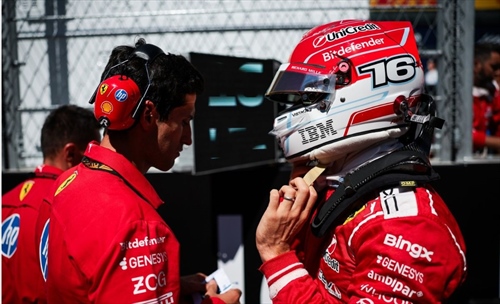
The competitive order changes, but at the top of the standings there is always a Mercedes-powered team. No other team has taken pole position so far. The only exception came from Lewis Hamilton in a Ferrari, although that was during Sprint Qualifying at the British Grand Prix. Since then, the Scuderia has been unable to repeat the feat. This is an F1 that seems to speak only Mercedes, and fans are eager to hear it speaking other languages soon.
Cover photo by Luca Martini / WHYOUT Images
All the news, photos, weather, session times and times from the Spain GP 2026