 By:
The Mexican Grand Prix is one of the most distinctive and unusual rounds on the Formula 1 calendar.
The main reason lies in the unique location of the circuit named after the Rodriguez brothers, on the outskirts of Mexico City.
Its altitude of more than 2,200 metres means air density is around 20% lower than at sea level, completely changing the way the car interacts with the medium through which it travels.
Lower density means the car’s surfaces have less effect on the air: this results in lower drag, but also less downforce for the same wing settings.
For this reason, teams tend to use wings that appear far more suited to slow or street circuits, without significantly compromising top speed.
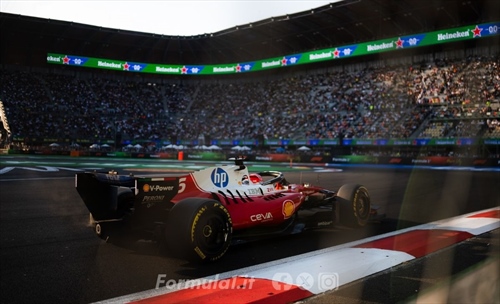
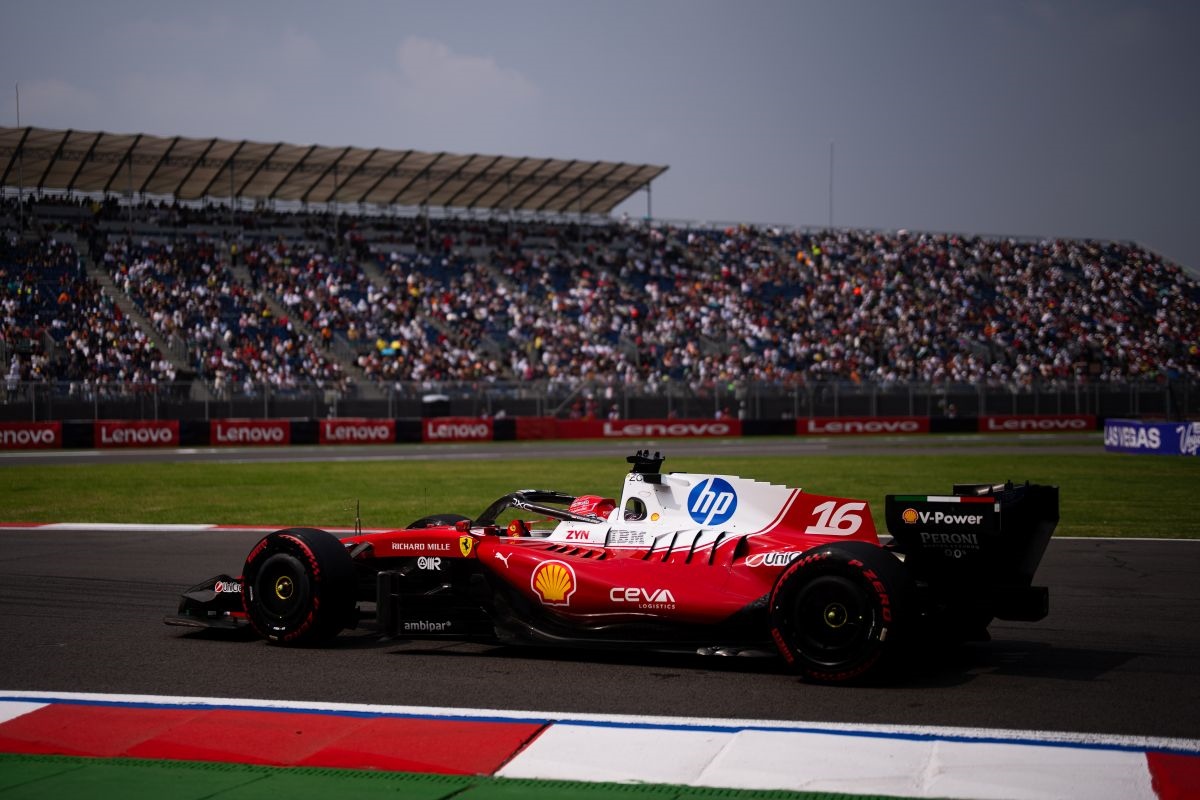
Alongside this peculiarity, it has become customary to observe whether and how individual teams opt for prominent gill-shaped openings—sometimes genuine slashes—to help expel hot air from beneath the engine cover.
Shark gills to breathe better

These gills are also used in other circumstances, but it should be remembered that, however effective they may be, they bring considerable inefficiency and drag, which can cost up to two tenths of a second per lap depending on the circuit.
When the car layout is established, the best compromise for the radiators is defined between two extremes: larger units, which are effective at dissipating heat but are heavier and leave less room for aerodynamic work; or more compact radiators, which are lighter and meet the need for extreme aerodynamic packaging.
In general, choosing the first route makes heat dissipation easier, albeit at the cost of greater weight, and reduces the need to resort to unwanted gills. This allows for sleeker bodywork, featuring a larger and more efficient rear outlet.
The second route, despite its undeniable advantages, can prove to be a double-edged sword and require the use of these gill systems, which dissipate heat while drastically worsening drag.
In Mexico, there is no point searching for a compromise
Engineers face the task of finding the perfect compromise between weight, drag, packaging and aerodynamics. It is no easy choice, and one that can take countless different forms. Clearly, starting from a conservative solution and refining it is much easier than beginning with an extreme concept and having to backtrack.
In Mexico City, however, all of this reasoning goes out of the window: the thin air does not allow optimal heat exchange, temperatures rise, and heat must be expelled by any means necessary. At the same time, the drag penalty from these slashes in the bodywork has less impact precisely because of the lower air density.
As a result, every car, including those with the cleanest lines, gives in to the temptation to adopt these highly penalising gills, even if only for one race.
All the news, photos, weather, session times and times from the Mexican GP 2026