 By:
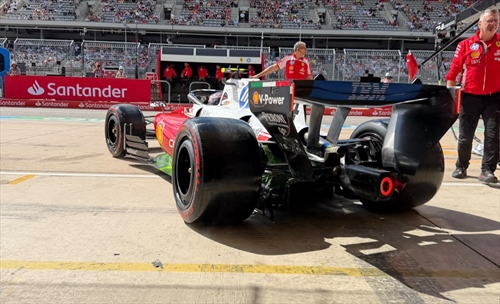
The excellent performance delivered by Ferrari at the Circuit of the Americas was perhaps one of its most convincing of the entire season.
Although it did not result in victory, the race contested by both SF-26s was solid, with the car bolstered by an upgrade package that worked as the technicians had expected, without the negative surprises that have characterised the developments introduced by McLaren and Mercedes.
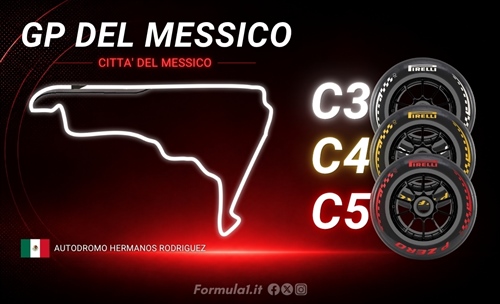
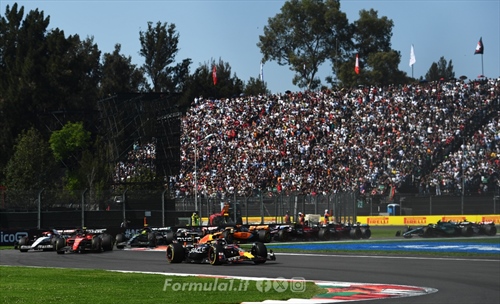
Optimism and satisfaction, however, give way to justified concern ahead of the next race, to be held in Mexico City at more than 2,200 metres above sea level.
Mexico is an exceptionally demanding test for power units

The thin air at the Autodromo Hermanos Rodriguez has always been an extreme test for power units and their cooling systems, causing a significant reduction in available power. However, it could be the most punishing venue of all for the unit powering the SF-26.
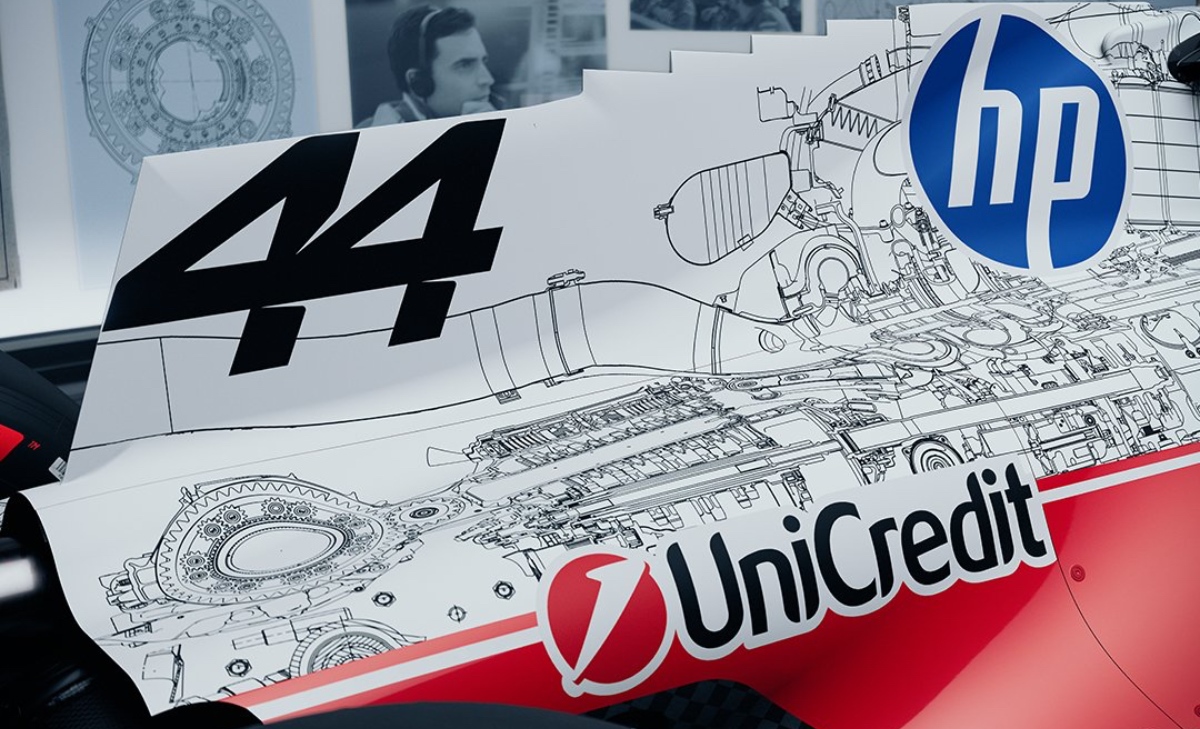
Furthermore, the compact turbocharger assembly that characterises Maranello's power unit could be particularly disadvantaged compared with manufacturers that have opted for a relatively larger turbine wheel.
Moving from sea level to high altitude changes the operating point on the compressor map.
To continue supplying the same mass flow to the combustion chambers, the turbine wheel must necessarily rotate faster.
Every design parameter changes and the turbo struggles
Because of the lower ambient pressure, all the calculation parameters change and the corrected air flow that the compressor must supply increases significantly, as do rotational speed and the compression ratio.
As well as reducing the turbo's efficiency, this means hotter gas reaches the intercooler on average, placing even greater strain on this heat exchanger, especially where it is air-to-air, although other types, air-to-liquid or hybrid systems, are also present on the grid.
There is a risk that the compressor enters a choked-flow region, meaning the maximum possible flow is limited by the speed of sound at the narrowest passage section: on the compressor map, the operating point moves to the right of the ideal area and efficiency collapses.
Although in reality everyone operates below the optimum flow target, reducing it slightly and pairing it with a generally richer fuel mixture, a compressor with a larger turbine wheel has a blade tip speed which, at the same rotational speed, can more easily compensate for all these effects.
For this reason, Ferrari's Power Unit, already lacking overall, could suffer even more in Mexico because of its smaller turbo.
Ferrari's excellent performance in Texas must be treated with the appropriate caution: it is not a flash in the pan, but it is unlikely to be repeated this weekend in Mexico, which is the least representative test for assessing the impact of the latest upgrades.
All the news, photos, weather, session times and times from the Mexican GP 2026