 By:
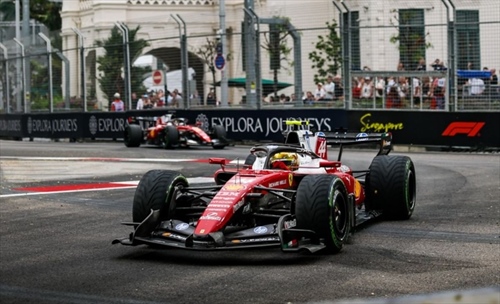
By: The incident involving Lewis Hamilton’s failure to pit during the recent Singapore Grand Prix, despite the British driver admitting responsibility, has inevitably thrust the issue of driver management into the spotlight, not only at Ferrari but across every team on the grid.
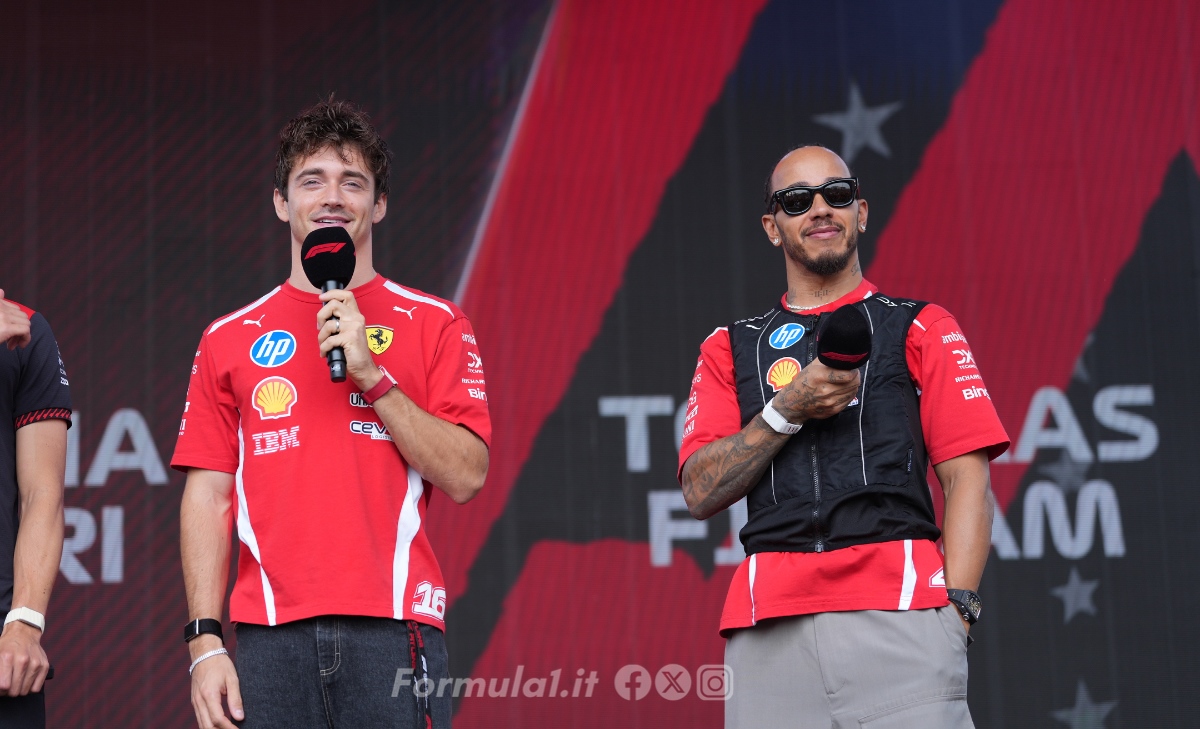
When two drivers within the same garage are both given equal number-one status, managing the dynamics from race to race, seeking a perfect balance in how each is treated, and deciding who should benefit and who should make sacrifices inevitably become complex and always risk leaving someone unhappy.
But dissatisfaction is the lesser evil: the events in Singapore cost Ferrari a podium that was within reach, as well as many championship points.
In many other races, both this year and in the recent past, the coexistence of two number-one drivers at Maranello has left plenty of points on the table and created some controversy, even though Ferrari have not been in title contention for some time and the conflict has never reached boiling point.
A line-up with two number ones has never worked
This season’s Mercedes, meanwhile, effectively have two number-one drivers but have avoided driver-management problems only through good fortune—or rather, through the misfortune that has forced Russell into so many retirements, taking him out of the title fight.
In 2016, when Hamilton and Rosberg fought for the world championship on equal terms, even the outstanding leader Toto Wolff made management errors that affected the drivers’ coexistence and the team’s results.
Last season, McLaren seriously risked losing the drivers’ championship by, questionably, choosing not to designate a number-one driver and instead applying their ‘papaya rules’, which came close to becoming a double-edged sword.
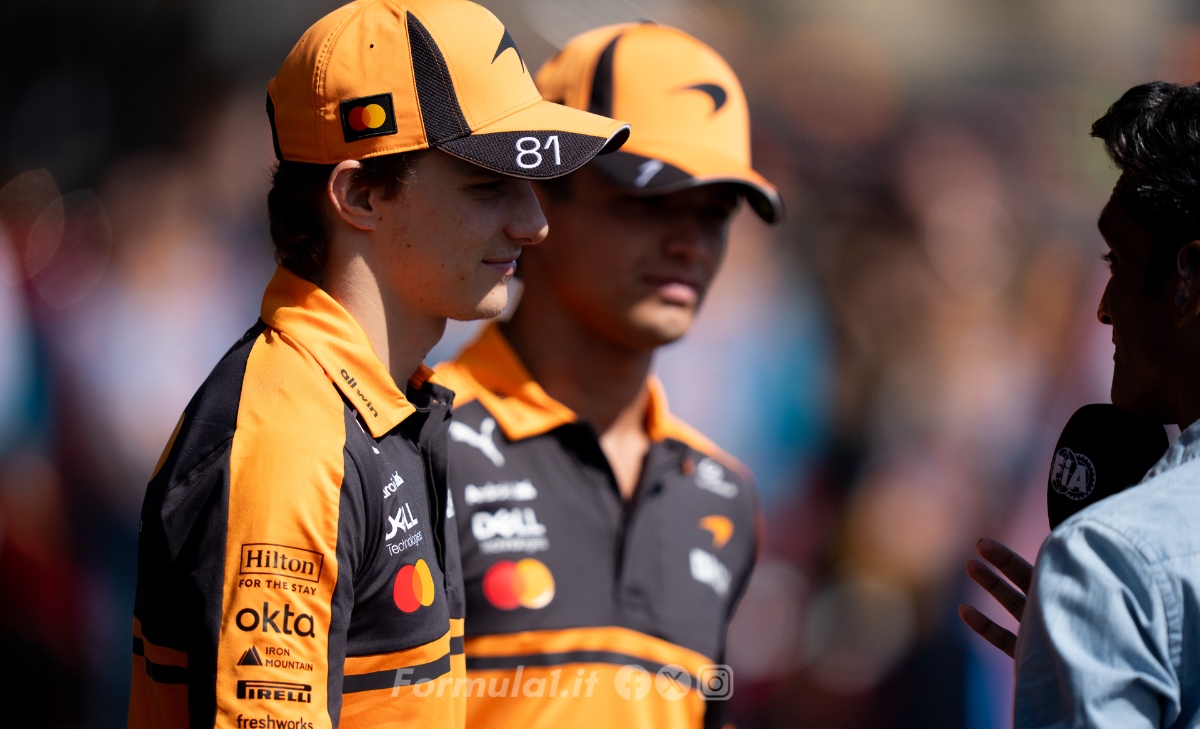
McLaren also effectively lost the drivers’ title in 2007 because of their poor handling of the Alonso-Hamilton pairing: the former, by then an undisputed champion, and the latter, a formidable rookie, proved able to match his team-mate.
With the two drivers fighting each other, the title went to Raikkonen, who took advantage of the inefficiencies within the team then run by Ron Dennis.
History shows that a number one is needed
The history of the sport is full of such examples: in 1988 and 1989, the internal war between Prost and Senna, again at McLaren, was among the most destructive for team harmony, although it did not cost them the championship because of the overwhelming superiority of the car built at Woking.
Therefore, if there is one thing Formula 1 has taught us, it is that when the aim is to win rather than simply take part, there is only one very simple formula: a clear, undisputed number one, appointed immediately, supported by an excellent lieutenant.
Two number-one drivers is a utopia—an illusion that, more often than not, proves expensive.
All the news, photos, weather, session times and times from the Singapore GP 2026