 By:
By: The FIA has published its summary document of the official updates brought by the teams to the 2026 Singapore Grand Prix, the 17th round of the season. Three teams have declared technical updates: McLaren, Mercedes and Red Bull.
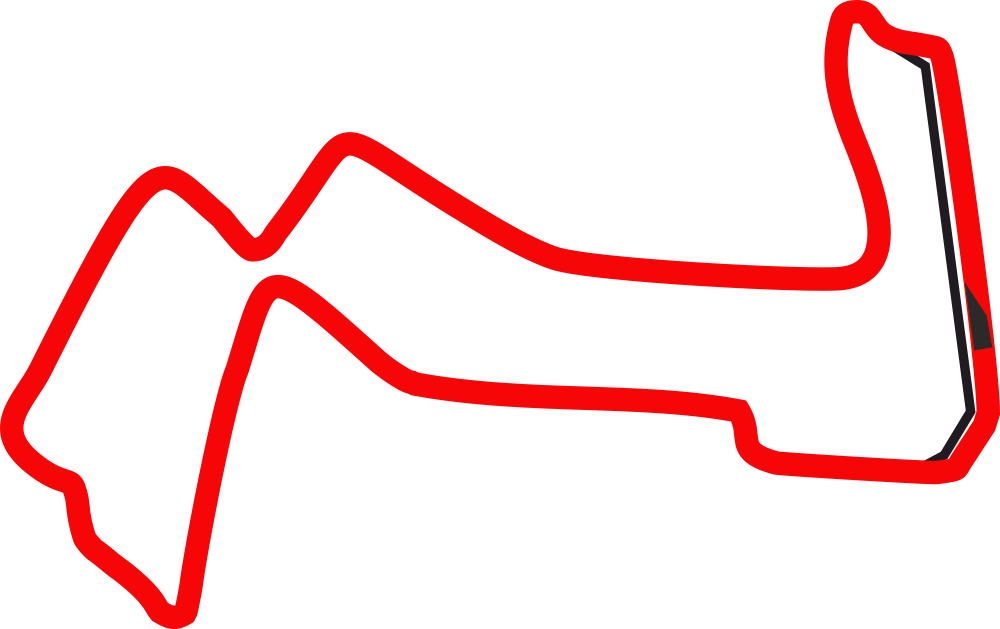
The characteristics of the Marina Bay circuit, with its numerous slow corners, frequent braking zones and high ambient temperatures, make front aerodynamic load, airflow stability and thermal management especially important. These are the areas addressed by the three teams, albeit with different objectives.
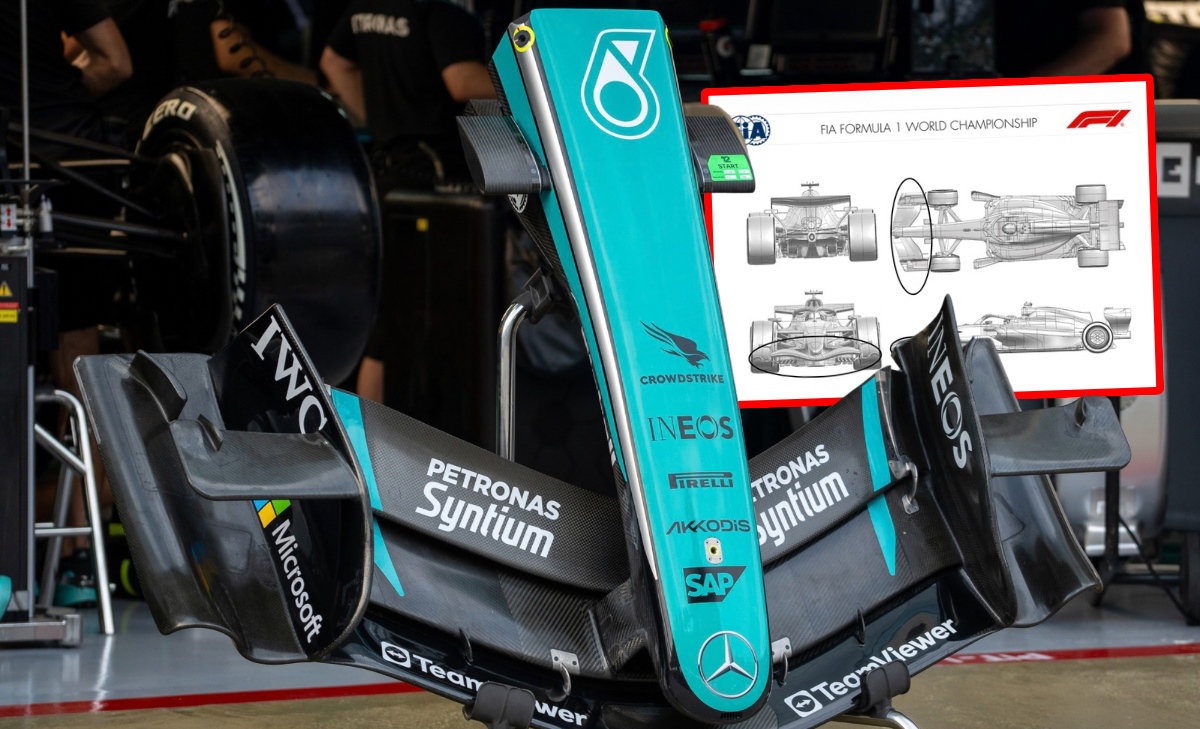
The most significant aerodynamic developments concern Mercedes and Red Bull, both of which have worked on their front wings. Mercedes has altered the chord distribution between the wing profiles, while also introducing a two-element configuration in the SM specification, and revised the geometry of the endplates, footplate and diveplanes. The aim is to improve load distribution and the control of turbulence generated by the front tyres, making the wing more effective across different operating conditions.
Red Bull, meanwhile, continues the evolution of a previous front-wing specification, revising the geometry of the flaps and endplates to generate greater local aerodynamic load without compromising airflow stability.
The other shared focus is brake cooling. McLaren has introduced a new high-capacity front duct, designed to increase the airflow supplied to the braking system. Red Bull has instead made changes at the rear, enlarging the air-exit duct to improve heat rejection. Both solutions address the high thermal demands expected in Singapore, where the sequence of braking zones and ambient conditions place the systems under particular strain.
The other eight teams – Ferrari, Williams, Racing Bulls, Aston Martin, Haas, Audi, Alpine and Cadillac – have not declared any updates for the Singapore weekend.
Here are all the official changes brought by the teams to the 2026 Singapore Grand Prix.
McLaren
McLaren has introduced a new front brake-cooling duct, designed to increase airflow and improve temperature management for the braking system. The solution is intended to meet Singapore's high thermal demands, but can also be used at other particularly demanding circuits.

| Component | Reason | Differences | Description |
|---|---|---|---|
| Front Corner | Circuit-specific – Cooling | High-capacity front brake-cooling duct | To meet the high brake-cooling requirements at this circuit and at other particularly demanding venues, a new front duct has been designed to increase the airflow available for cooling. |
Mercedes
Mercedes has revised its front wing by changing the chord distribution across the three profiles and switching to two elements in the SM configuration. The changes also involve the endplate, footplate and diveplane camber, all adapted to the new geometry. The aim is to optimise aerodynamic load distribution along the chord and span, particularly improving control of turbulence generated by the front wheels and extending the wing's effectiveness across different operating conditions.

| Component | Reason | Differences | Description |
|---|---|---|---|
| Front Wing | Performance – Flow management | Changed chord distribution across the wing's three elements, with a switch to two elements in the SM configuration. | Changing the aerodynamic load distribution along the chord and span improves performance across the full operating range, while also optimising the control of turbulence generated by the front tyres. |
| Front Wing Endplate | Performance – Flow management | The front-wing endplate and associated footplate have been adapted to the new configuration. The diveplane camber has also been changed. | The changes to the endplate geometry and associated aerodynamic elements complete the front-wing revision, improving load distribution and the control of turbulence generated by the front tyres. |
Red Bull
Red Bull has brought two separate changes to Singapore. The first concerns the front wing, with a further evolution of the flap and endplate geometry developed to increase local aerodynamic load while maintaining stable airflow. The second affects the area around the rear wheels, where the air-exit duct has been enlarged to improve brake cooling and address the high thermal demands expected at the Marina Bay circuit.

| Component | Reason | Differences | Description |
|---|---|---|---|
| Front Wing | Performance – Local aerodynamic load | Revised endplate and flap geometries. | The new front-wing configuration stems from the evolution of a previous solution, further optimised to generate greater local aerodynamic load while maintaining airflow stability. |
| Rear Wheel Bodywork | Reliability | Enlarged air-exit duct. | Modifications to the existing components have made it possible to enlarge the air-exit opening, increasing cooling capacity to cope with the high thermal demands expected from the braking system in Singapore. |
Ferrari
No updates.
Williams
No updates.
Visa Cash App Racing Bulls
No updates.
Aston Martin
No updates.
Haas
No updates.
Audi
No updates.
Alpine
No updates.
Cadillac
No updates.
All the news, photos, weather, session times and times from the Singapore GP 2026