 By:
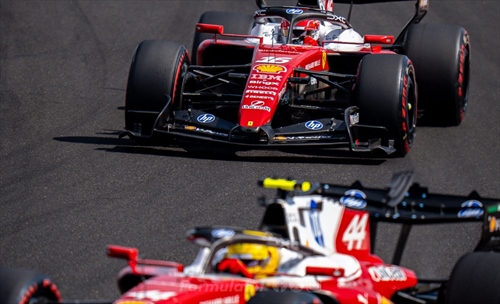
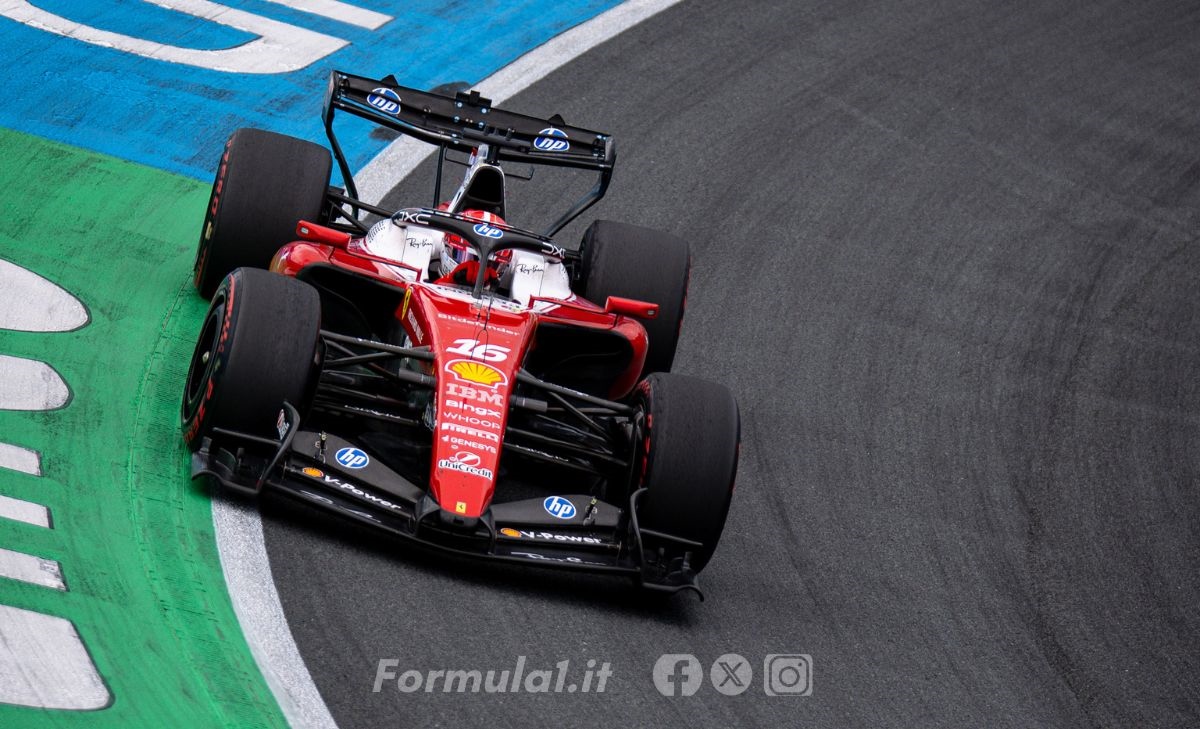
By: The Dutch GP Sprint Race proved far too monotonous. At the Zandvoort circuit, the considerable difficulty cars face when trying to overtake was clear to see. Few drivers managed the feat. The only overtake within the top eight was made by Leclerc, while further down the order it was Fernando Alonso who provided some entertainment.
Otherwise, there was little excitement. It was flat calm. The Grand Prix, however, could be a different story, although much will also depend on how many stops the drivers intend to make. Yesterday, Leclerc showed that even with a deficit of a few tenths per lap, it is possible to make something happen; so perhaps a two-stop strategy should not be ruled out from the outset.
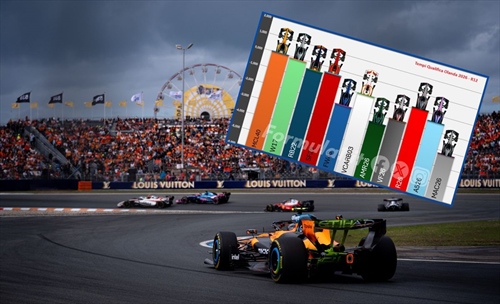
Pirelli's strategic recommendations - Circuit of Zandvoort - 72 laps
Before sharing our view, though, let us consider what Pirelli's motorsport director said at the end of Saturday: “All three compounds could be an interesting option for the race. Ferrari and Haas chose to use the Soft during the Sprint, which leads us to believe it will be among the key players, alongside the Hard and Medium, probably the most popular compounds. The C4 Soft allowed Leclerc to stay in touch with Norris without losing performance. The low temperatures enabled the compound to remain in the correct operating window.”

Based on what could be seen in the Sprint, Dario Marrafuschi continued: “Overtaking is very difficult, so a one-stop strategy starting on the C3 Medium and finishing on the C2 Hard should be the quickest. In that case, the stop should take place between laps 27 and 33. Starting on the C4 Soft and finishing on the Hard, making the pit stop between laps 26 and 32, is instead around one second slower.”
“In free air, two-stop options are competitive, but the difficulty of overtaking must be taken into account. Therefore, we believe these strategies could be considered only in the event of a Virtual Safety Car or, in any case, a neutralisation. Degradation has been fairly limited and we do not believe it will influence the choice of strategies.”, the Italian concluded.

A hope, not a necessity
Based on what Dario Marrafuschi said, drivers can manage without two stops. Much will depend on the pace the frontrunners can maintain on the C3 Mediums. As the aim of avoiding losing positions becomes more important than gaining them, the choice between one and two stops will depend heavily on the opportunity to exploit clear track conditions immediately after pitting. Drivers fighting for the podium will probably wait to see what those further back choose before committing to either option.
Two stops are therefore not a necessity, but for us fans they represent the hope of seeing a Grand Prix with a little more action than the Sprint Race. The shorter race was heavily affected by the fact that a mandatory pit stop was not required. Two stops could therefore help to create more spectacle on track.

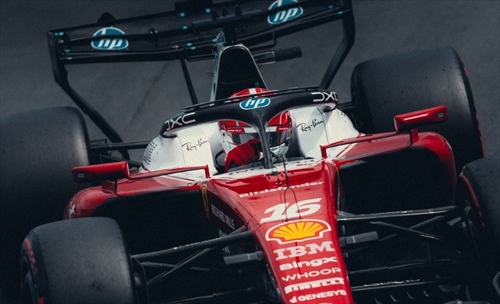
For us, the best one-stop strategy is Medium-Hard, but Ferrari showed yesterday that it is also comfortable on the Soft. The two SF-26s should have no problem completing the race on a Soft-Hard strategy. For two stops, a tactic involving all three compounds could be very quick. It will be very interesting to see the decisions the teams make.
Among other things, a two-stop race (with most drivers opting for this approach) could also help Ferrari recover a few positions. Then there is the weather variable, with a very slight 10% chance of rain during the race.
Cover and internal photos by Luca Martini / WHYOUT Images;
Pirelli graphics source
All the news, photos, weather, session times and times from the Dutch GP 2026