 By:
By: We live in a strange age, one in which we think we are keeping up with everything, yet cannot keep up with anything. Until a few years ago, electric power was believed to be the solution to every problem: we would secure a green future and, through technological progress, change the world. Why not? We might even have saved the planet.
Unfortunately, good intentions end up colliding with interests, and that is where the problems arise. Formula 1, in its own way, is doing everything it can to please everyone and choose the best path for the future. It is easy to criticise at times, but the stakeholders pulling the strings within the sport must also be taken into account.
F1 is not just a sport
Because F1 is not merely a sport. It includes car manufacturers that want to compete in the championship while developing solutions that can help them remain competitive in the production car market. Alongside them come the constant regulatory changes in countries regarding sustainability. Then there are the fans, the public, who for the most part simply want to watch spectacular racing without having to take an interest in the entire technological process and the work carried out by the FIA and FOM behind the scenes.
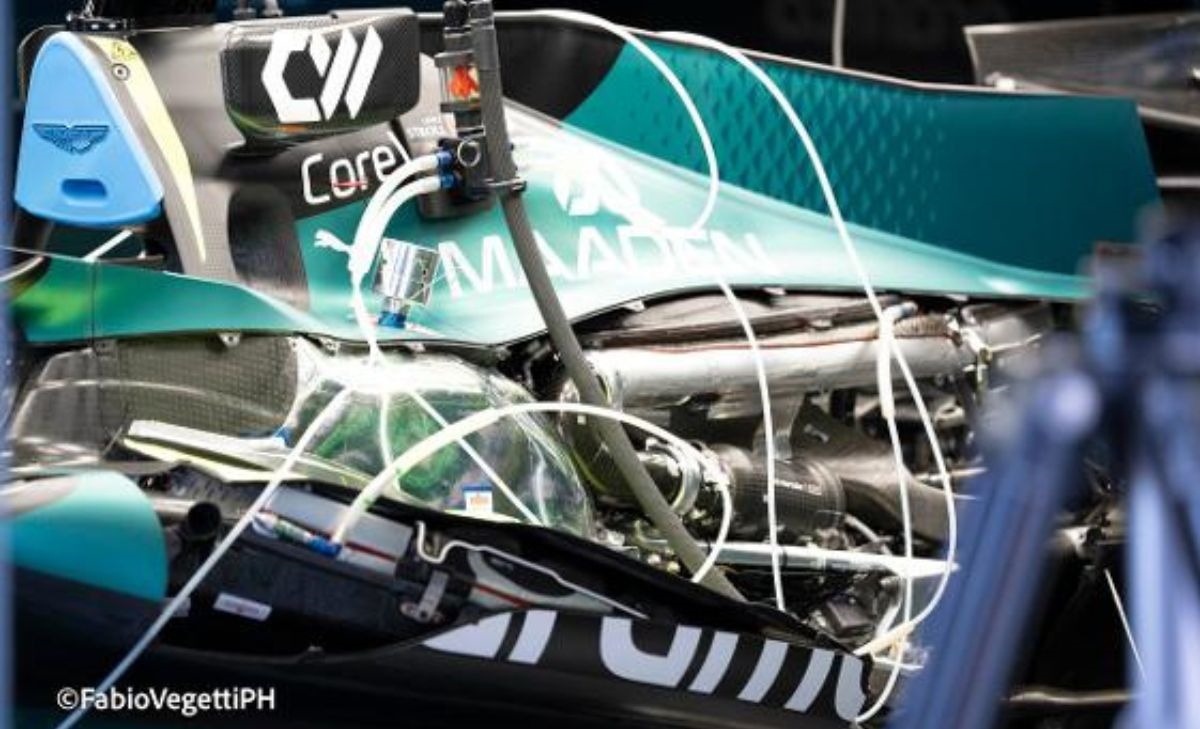
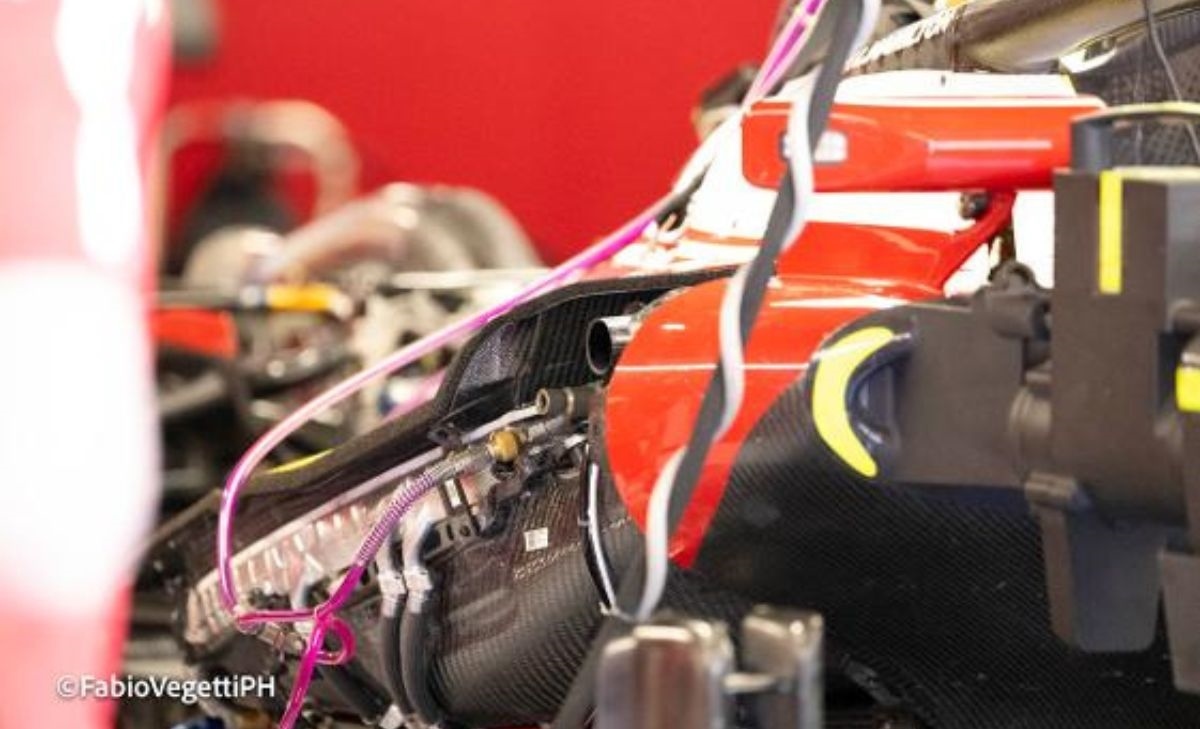
To many, this introduction may sound like rhetoric: a way of shielding F1 and protecting it from the many criticisms levelled at the 2026 regulations. There is, however, a reason behind these repeated changes of direction: the transition from turbo engines to naturally aspirated engines, then to power units and finally to power units with a dominant electric component seemed fairly obvious.
Now, however, with governments having failed to push sufficiently for electrification from 2010 to today, to the point that it now appears to be the wrong path as well, car manufacturers are being forced to reassess their plans. And consequently, so is F1.
A step back to move forward
This is where the step back mooted by Domenicali, and embraced by the FIA and manufacturers, comes from. Although the 2026 rules have not worked fully from an energy-management perspective, the introduction of sustainable fuels has demonstrated the potential of these fuels, leading to the conclusion that it may even be possible to take one or two steps back.
As early as 2027, we will see a reduction in the contribution from the electric motor and, perhaps, in the next regulatory era we could see a genuine change of direction. We would still have power units, but with a dominant internal-combustion engine, almost as in the past.
Some will see this decision as the result of the complaints heard in 2026, but that is not the case. If the future were certainly electric, once the problems had been acknowledged, the teams would have focused on development, as has happened in the past, and in a short time they would have produced powerful, reliable power units capable of delivering a spectacle for fans on a par with previous generations.
The reversal is dictated by something else: a changing world that, unfortunately, has not yet worked out which direction to take.
The positive aspect, from Formula 1's perspective, is that if the required contribution from electric power is reduced, the cars can be lighter (through weight savings) and more 'slimline' (you can read here the latest statement from one of the FIA's technical directors, Nikolas Tombazis). Factors that will certainly help make the racing more spectacular.
The departure from electric power, at least for Formula 1, could be close.
Photo: Fabiovegetti.it