 By:
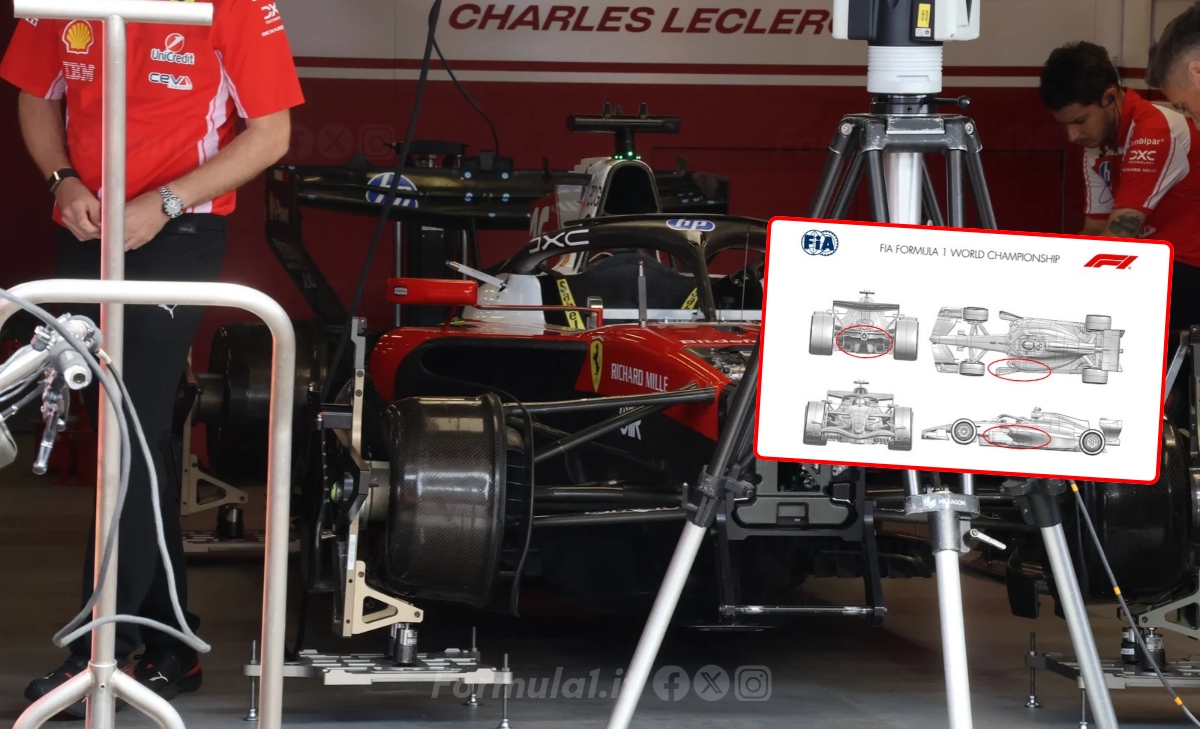
The FIA has published its summary document of the official updates brought by the teams to the 2026 United States Grand Prix at Austin's Circuit of the Americas. Seven teams have declared technical updates: McLaren, Red Bull, Ferrari, Racing Bulls, Audi, Alpine and Cadillac.
With the championship now entering its closing stages, Austin traditionally represents one of the final opportunities to introduce significant aerodynamic development packages. The teams are focusing on refining their cars, seeking to improve performance over the final races without compromising the balance already achieved. The new parts presented could therefore be among the final substantial updates of the 2026 season.
Ferrari has brought the most extensive package, making changes to the floor, floor fences, sidepods and diffuser. The aim is to increase aerodynamic downforce by improving the quality and stability of airflow directed towards the rear of the car. Racing Bulls has also introduced four updates, covering the wings, floor and bodywork, while McLaren has brought a new diffuser geometry alongside aerodynamic revisions around the front and rear wheels.
Audi has continued its development programme with three changes refining the front end, complementing its recent aerodynamic package. Alpine, meanwhile, has focused its changes at the rear, with revisions to the floor and rear wing. Red Bull's updates are more limited, refining the front wing and introducing a reliability modification, while Cadillac has worked on floor aerodynamic stability and power unit cooling.
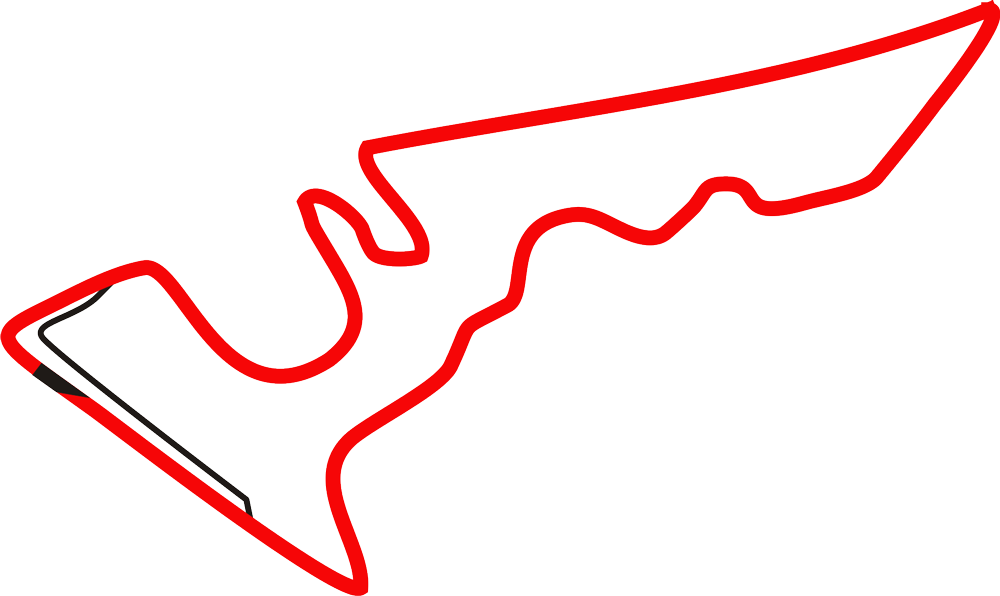
The common theme is once again aerodynamic flow management, with particular attention paid to floor efficiency and rear downforce generation. At a circuit such as Austin, characterised by high-speed corners, changes of direction, long straights and significant elevation changes, the ability to maintain stable aerodynamic behaviour across different operating conditions is crucial.
The other four teams — Mercedes, Williams, Aston Martin and Haas — have not declared any updates for the United States weekend.
Here are all the official changes brought by the teams for the 2026 United States Grand Prix.
McLaren
McLaren has introduced three updates affecting the front-wheel area, rear-wheel area and diffuser. Changes to the front ducting and aerodynamic elements, developed alongside the suspension fairings, are intended to improve flow management. At the rear, local aerodynamic elements have been revised, while the new diffuser geometry is designed to increase aerodynamic downforce across the entire speed range, improving the car's performance in different running conditions.
| Component | Reason | Differences | Description |
|---|---|---|---|
| Front Corner | Performance – Flow management | Revision to the geometry of the front area and its associated aerodynamic elements. | The front ducting and aerodynamic elements have been modified alongside the front suspension fairings, with the aim of improving flow management. |
| Rear Corner | Performance – Flow management | Update to the aerodynamic elements in the rear area. | The aerodynamic elements in the rear area have been revised to improve flow management and increase local aerodynamic downforce. |
| Diffuser | Performance – Flow management | New diffuser geometry. | The diffuser geometry has been modified to improve flow management and increase local aerodynamic downforce across the car's entire speed range. |
Mercedes
No updates.
Red Bull
Red Bull has introduced two targeted changes in the front area of the car. A small aerodynamic profile has been added to the recently introduced front-wing configuration, linked to the evaluation of tyre surface temperature, generating greater local downforce without significantly altering flow stability. The second change concerns reliability, with an elastomeric protection piece revised to reduce the risk of tearing under greater steering lock. These are therefore refinements to the existing configuration, rather than a new aerodynamic package.
| Component | Reason | Differences | Description |
|---|---|---|---|
| Front Wing | Performance – Local aerodynamic downforce | Addition of an aerodynamic profile to the lower section of the front-wing endplate. | For evaluation purposes, an aerodynamic profile associated with tyre surface-temperature measurement has been added to the recently introduced front-wing geometry. The change increases local aerodynamic downforce while maintaining flow stability similar to the previous configuration. |
| Front Corner | Reliability | Revision to the profile of the elastomeric protection. | The perimeter of the elastomeric protection has been modified to reduce the risk of tearing in operation, limiting stresses in areas subject to the greatest deformation when maximum steering lock is applied. |
Ferrari
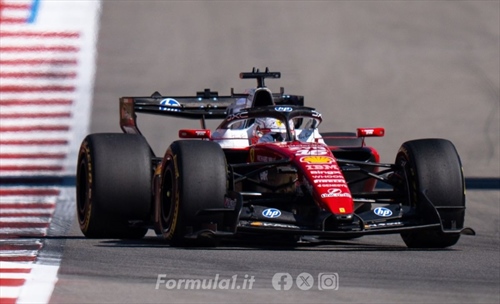
Ferrari has brought one of the weekend's most significant aerodynamic packages to Austin, with four closely linked areas of intervention. The changes affect the floor body, floor fences, sidepod geometry and diffuser. The objective is to increase the downforce generated by the floor while improving the energy and stability of airflow directed towards the rear of the car. Particularly significant is the diffuser revision, whose expansion profile has been optimised to exploit the improved quality of incoming air and generate more downforce efficiently.
| Component | Reason | Differences | Description |
|---|---|---|---|
| Floor Body | Performance – Local aerodynamic downforce and flow management | New arrangement of floor-fence supports and redesigned front leading edge, with changes to the internal vertical and upper horizontal elements. | The developments focus on increasing the aerodynamic downforce generated by the floor, both at the front and rear, while also increasing the energy and stability of airflow directed towards the rear of the car. |
| Floor Board | Performance – Local aerodynamic downforce and flow management | New support arrangement and reshaping of the internal vertical and upper horizontal elements of the floor fences. | The changes help increase the floor's aerodynamic downforce and improve the quality, energy and stability of airflow directed towards the rear of the car. |
| Sidepod Inlet / Coke | Performance – Local aerodynamic downforce and flow management | Additional lower sidepod-inlet volume, with reshaping of the undercut and coke-bottle volumes. | The new sidepod geometry helps improve the management and stability of airflow towards the rear of the car, supporting the increase in downforce sought through the floor changes. |
| Diffuser | Performance – Local aerodynamic downforce and flow management | Revision to diffuser volume, expansion profile, fence loading and external aerodynamic elements near the trailing edge. | Thanks to the improved quality of incoming airflow, the diffuser's expansion and overall geometry have been further optimised, enabling greater aerodynamic downforce to be generated efficiently. |
Williams
No updates.
Visa Cash App Racing Bulls
Racing Bulls has introduced a fairly extensive development package covering the front wing, rear wing, floor and bodywork. The new front-wing endplate improves airflow control around the tyres, while the rear-wing flaps have been modified to generate more downforce. The most significant changes, however, concern the floor, with several aerodynamic elements revised, and the bodywork, reprofiled around the shoulder and undercut areas. The two modifications work together to improve airflow quality along the sidepods and towards the rear of the car, increasing overall aerodynamic downforce.
| Component | Reason | Differences | Description |
|---|---|---|---|
| Front Wing | Performance – Flow management | New front-wing endplate. | The front-wing endplate plays an important role in managing airflow around the front tyres. The changes further improve the quality and control of airflow directed towards the rear of the car. |
| Rear Wing | Performance – Local aerodynamic downforce | New rear-wing flap elements. | The camber and chord of the rear-wing flap elements have been modified to improve the cleanliness of local airflow and allow the wing to generate greater aerodynamic downforce. |
| Floor Body | Performance – Local aerodynamic downforce | Multiple changes involving leading-edge devices, the side fence and the floor edge. | Changes to several key floor elements improve overall airflow management in this area, resulting in an efficient increase in the aerodynamic downforce generated. |
| Coke/Engine Cover | Performance – Flow management | Reprofiling of the bodywork shoulder and undercut areas. | Combined with the floor updates, the engine-cover changes improve aerodynamic flow management along the car's sidepods and towards the rear. |
Aston Martin
No updates.
Haas
No updates.
Audi
Audi has continued the evolution of its car with three changes focused on the front area. The new brake duct changes the cooling characteristics and provides aerodynamic benefits, while revisions to the floor fences are intended to improve local flow management. The mirror stay has also been redesigned to suit the updated configuration. These are developments complementary to the recent aerodynamic package, intended to further improve its overall performance.
| Component | Reason | Differences | Description |
|---|---|---|---|
| Front Corner | Performance – Flow management | New front brake cooling duct. | The new front brake duct features updated cooling characteristics and provides aerodynamic benefits, complementing the latest developments introduced on the car. |
| Front Floor | Performance – Flow management | New floor fence. | The updated floor-fence geometry is designed to improve local flow management and contribute to the floor's overall aerodynamic performance. |
| Mirror stay | Performance – Flow management | New mirror stay. | The updated mirror-stay geometry completes the revised front-area configuration and contributes to the overall aerodynamic performance of the recently introduced package. |
Alpine
Alpine has introduced two updates, both focused on the rear of the car. The first is a redesign of the rear floor corner, intended to improve the interaction of airflow with surrounding aerodynamic elements and increase local downforce. The second concerns the rear wing, with a new profile for its second and third elements, designed to improve airflow quality and increase overall downforce. Both changes are intended to improve the aerodynamic performance of the rear of the car.
| Component | Reason | Differences | Description |
|---|---|---|---|
| Floor Corner | Performance – Local aerodynamic downforce | Redesign of the rear floor corner. | The rear section of the floor has been redesigned to improve the interaction of local aerodynamic flow with elements at the rear of the car, while increasing local aerodynamic downforce. |
| Rear Wing | Performance – Local aerodynamic downforce | Reprofiling of the rear-wing flaps. | The second and third elements of the rear wing have been redesigned to improve aerodynamic flow quality and increase the overall downforce generated by the wing. |
Cadillac
Cadillac has brought two updates to Austin dedicated to aerodynamic stability and cooling. Revisions to the front floor fences are intended to improve airflow directed towards the rear of the car and, above all, reduce the car's sensitivity to ride-height changes, while maintaining overall aerodynamic downforce. The second change concerns the upper sidepod cooling louvres, modified to increase power unit cooling capacity while limiting aerodynamic penalties.
| Component | Reason | Differences | Description |
|---|---|---|---|
| Floor Fences | Performance – Flow management | Updated geometry of the front floor fences. | The revised geometry improves the management of airflow directed towards the rear of the car and reduces the car's sensitivity to ride-height changes, while maintaining overall aerodynamic downforce. |
| Cooling Louvres | Performance – Cooling capacity | Update to the cooling louvres in the upper section of the sidepods. | The upper sidepod cooling louvres have been modified to increase power unit cooling capacity while minimising adverse effects on aerodynamic performance. |
All the news, photos, weather, session times and times from the United States GP 2026