 By:
By: After the chaotic Sepang weekend, Formula 1 concludes the first of its two end-of-season triple-headers as it heads to Singapore for the 17th round of the championship, at one of the most distinctive circuits on the calendar.
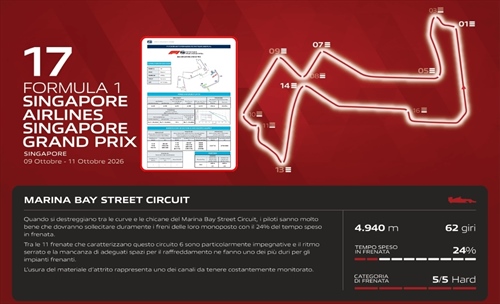
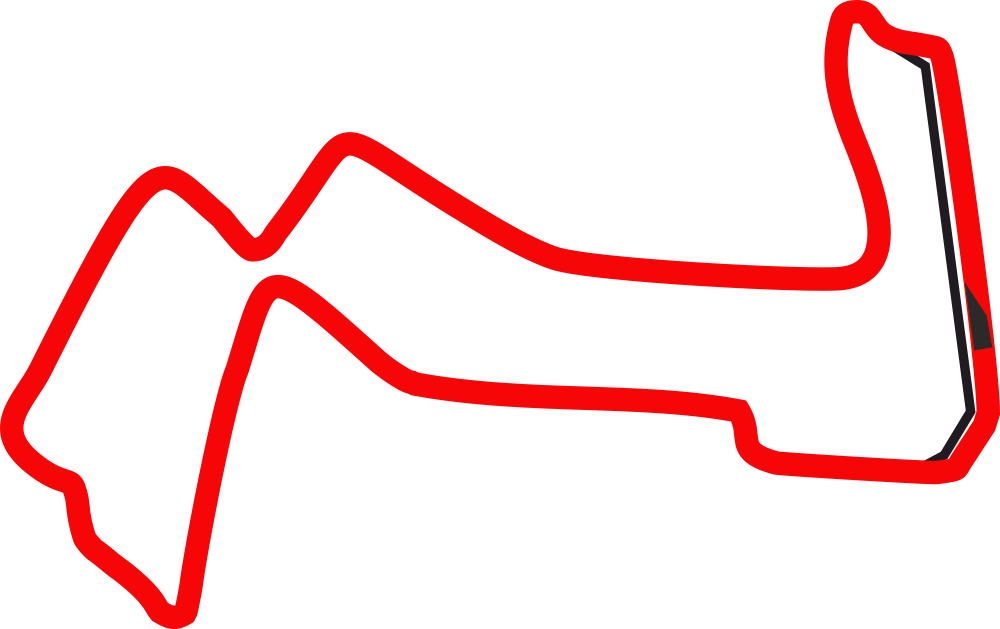
Marina Bay is 4.927km long, features 19 corners – 12 left-handers and seven right-handers – and presents characteristics that are virtually the opposite of the fast, flowing Malaysian track. It demands maximum aerodynamic downforce, strong mechanical traction and a car that is precise through the constant changes of direction and the many slow, 90-degree corners. The close walls also leave very little margin for error, making qualifying particularly important at a circuit where gaining positions remains difficult.
From a technical perspective, it will be particularly interesting to see how the teams strike the compromise between downforce, cooling and braking stability. For the new power units, Marina Bay also brings very different energy management compared with recent rounds, with five Straight Mode zones.
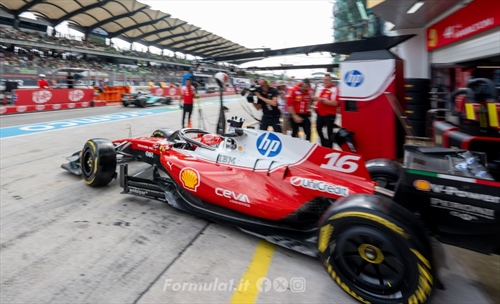
As always, images gathered directly from the pit lane will allow us to examine in detail the aerodynamic configurations, cooling solutions and circuit-specific adaptations selected by the teams for Singapore.
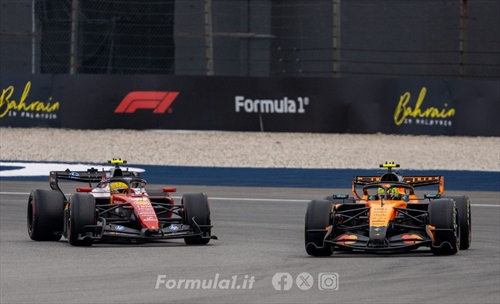
Among the technical solutions observed in the pit lane following the major updates introduced in Bahrain is an interesting difference between the championship’s four leading contenders. Mercedes has adopted a floor-entry flow-deflector configuration divided into several elements, following a concept already used by Ferrari and McLaren, to improve control of the airflow directed towards the underfloor, contributing to aerodynamic efficiency and the stability of the downforce generated by the floor. Interestingly, Red Bull continues to follow a different philosophy, remaining the only one of the four leading teams not to have adopted this configuration, despite finding downforce, efficiency and balance, as we saw at Sepang.
Mercedes in Singapore
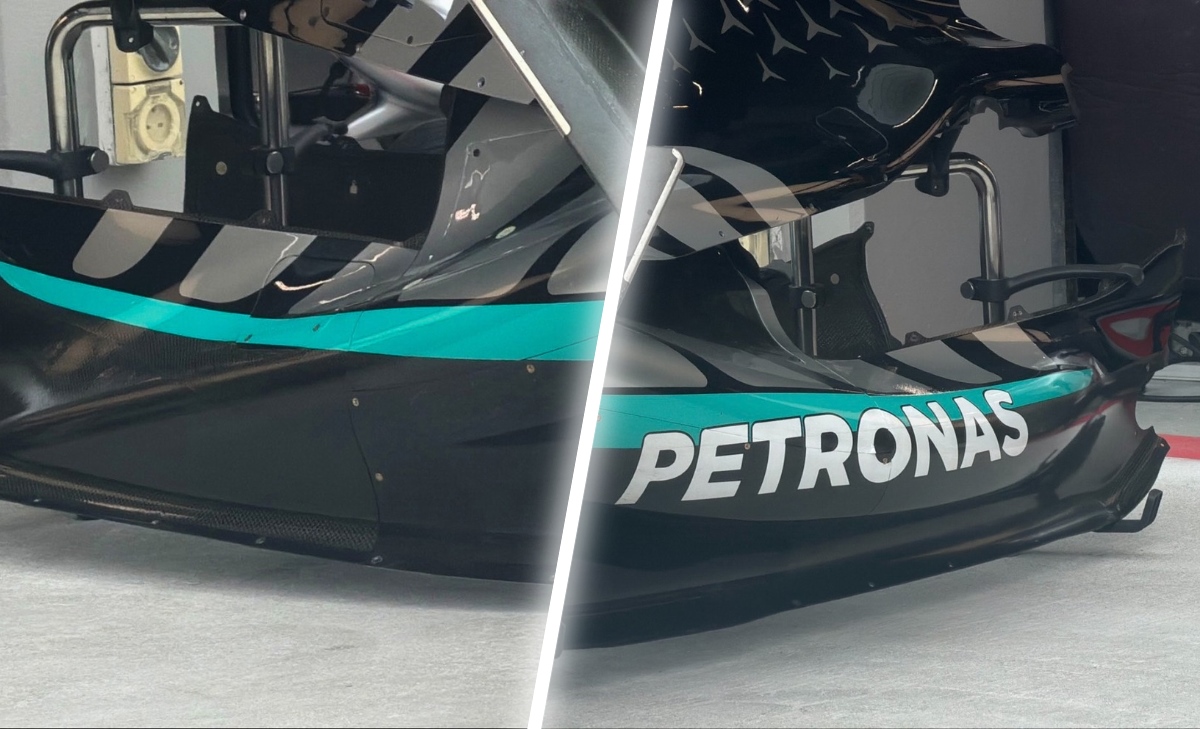
Despite the substantial aerodynamic upgrade package introduced at Sepang, Mercedes did not achieve the expected improvements. Its engineers are still trying to understand why, to the extent that they are considering comparative testing between the old and new specifications in Singapore to identify the causes of the missing performance gain. Russell returns to the previous sidepod configuration, while Antonelli retains the latest evolution, allowing the engineers to compare the two solutions directly on track.

 On the left, Russell’s W17 with the old sidepod specification; on the right, the new specification on Antonelli’s car - Photo by @AlbertFabrega
Article being updated...
All the news, photos, weather, session times and times from the Singapore GP 2026