 By:
By: Since the eve of the current season, the team principals of the four leading teams have all stressed one key point: "this season will be a war fought through upgrades".
We are now into the final third of the season and can draw an initial assessment of how this upgrades battle is unfolding and which phase we are currently in.
Upgrades split the season into three phases.
The first phase of upgrades was marked by a clear rise in performance.
Chronologically, this came in May, between Miami and Canada, when Mercedes, Ferrari and McLaren all took their first step forward, with generally positive results.
There was then a second phase in the second half of June, between the Barcelona and Austrian Grands Prix, focused on consolidation.
This was a period in which Ferrari and Red Bull in particular introduced a second, extensive and highly visible upgrade step on both cars.
Ferrari probably reached its performance peak of the season, while Red Bull set off on the right development path after a genuinely uncertain start.

While Mercedes waited, buoyed by its overwhelming engine advantage, McLaren also introduced its second upgrade step in Hungary.
It was an important and highly positive step, as it finally put the MCL38 in a position to fight at the front in three of the following four Grands Prix. It brought no fewer than two victories at Zandvoort and the Hungaroring.

The critical phase: the current one?
We now come to recent history: Baku and Sepang.
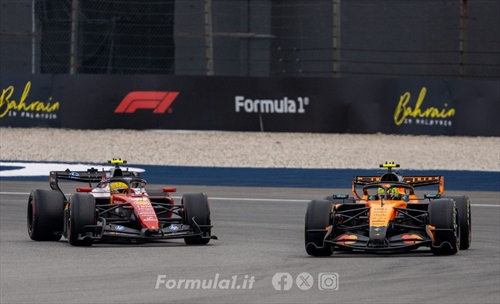
In Azerbaijan, McLaren arrived with a substantial upgrade package for the MCL40, one that amounted more to a B-spec car than a simple evolution.
Much was expected from the Woking technical team, renowned for making very few mistakes when it comes to developing the car.
The reality has been different and, in Azerbaijan as in Malaysia, the car has not improved decisively and instead appears to have slipped towards the role of third force, regardless of race circumstances and driver errors.
More or less the same happened to Mercedes one race later, when it brought to the track a car that was very different from its predecessor, following several months of undoubtedly careful and considered study.

Curiously, the MCL40 and W17 have broadly swapped the general lines of their sidepods, each abandoning its original shapes.
The Anglo-German car has not shone either, and the Brackley technicians cannot say with certainty whether it has become faster or slower. Something has not worked: perhaps the circuit, perhaps the asphalt, perhaps the temperatures.
Only Red Bull, despite its hesitancy at the start of the season, has taken a path that has led to an even greater morphological transformation of the RB22 than that seen on its rivals' cars, but one characterised by steady progress culminating in the Baku specification, competitive with both drivers and finally victorious at Sepang.

What is happening at McLaren and Mercedes recalls, with the necessary distinctions, the period in which fine-tuning upgrades, even minor ones, on cars from the previous regulatory cycle had become extremely difficult.
In some respects, it is as though the current cars have reached development maturity prematurely, to the point that each new upgrade no longer delivers certain, tangible performance gains and instead requires extreme care not to push too far in a particular direction and completely unbalance the car.
For now, it is difficult to say who has won, or is winning, the upgrades war.
Everyone has made missteps. Perhaps the important thing is to have made them early in the journey, as Red Bull did.
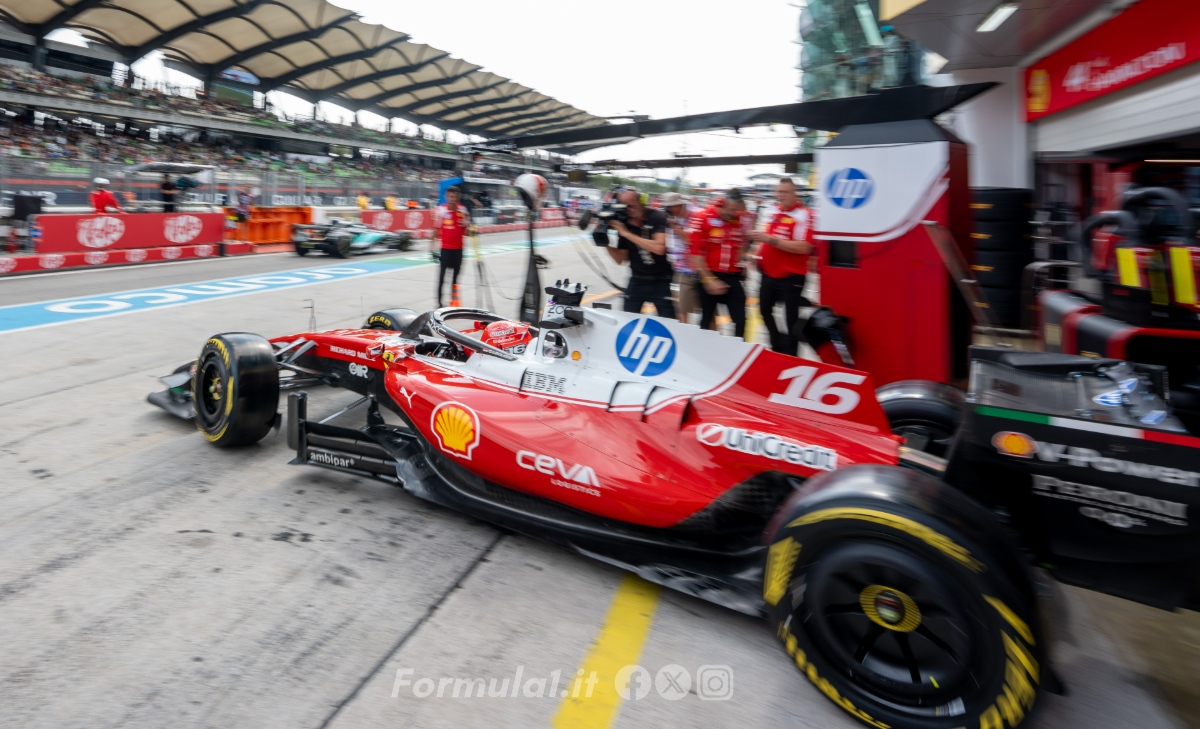
Now it is Ferrari's turn. At Austin, according to reports from several sources, the final upgrade step for the SF-26 should arrive, and a significant series of changes is expected: it will be very interesting to see what happens.
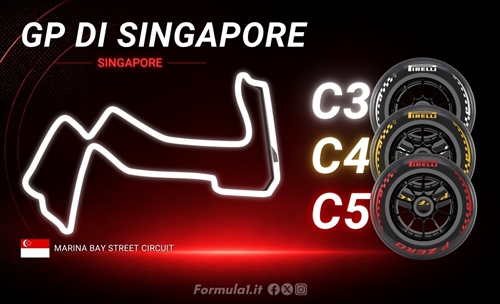
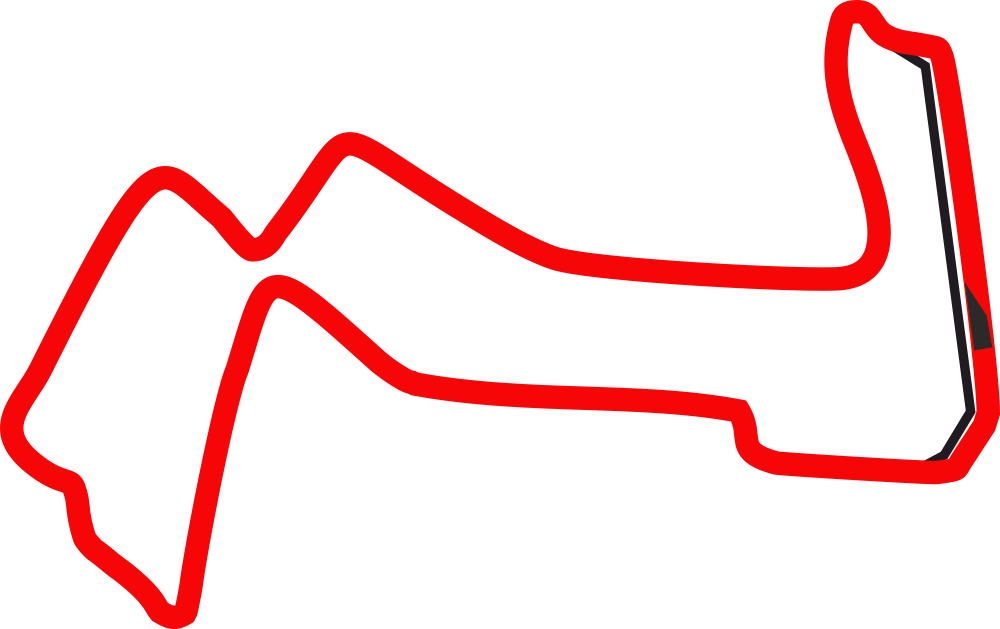
All the news, photos, weather, session times and times from the Singapore GP 2026