 By:
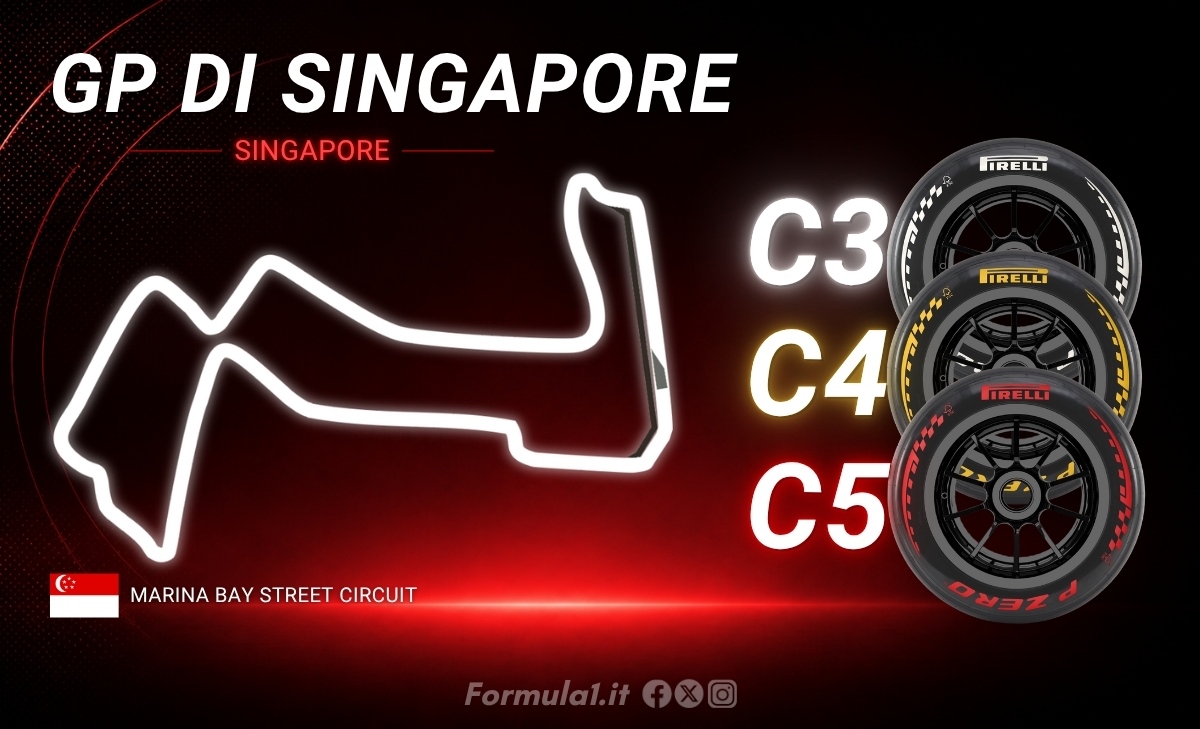
By: Formula 1 remains in Asia this week for the Singapore Grand Prix, a weekend that will also feature the season’s final Sprint and bring to an end a lengthy run of three consecutive races that began in Baku. For the Marina Bay circuit, which hosts one of the year’s most physically demanding races for the drivers, Pirelli will bring the same tyre allocation used 12 months ago: the C3 as Hard, the C4 as Medium and the C5 as Soft.
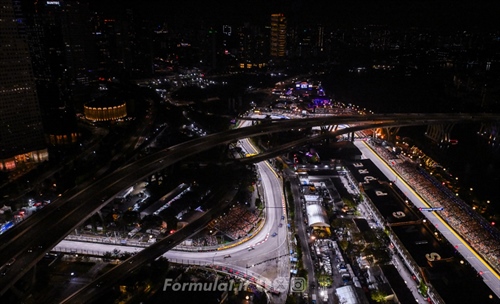
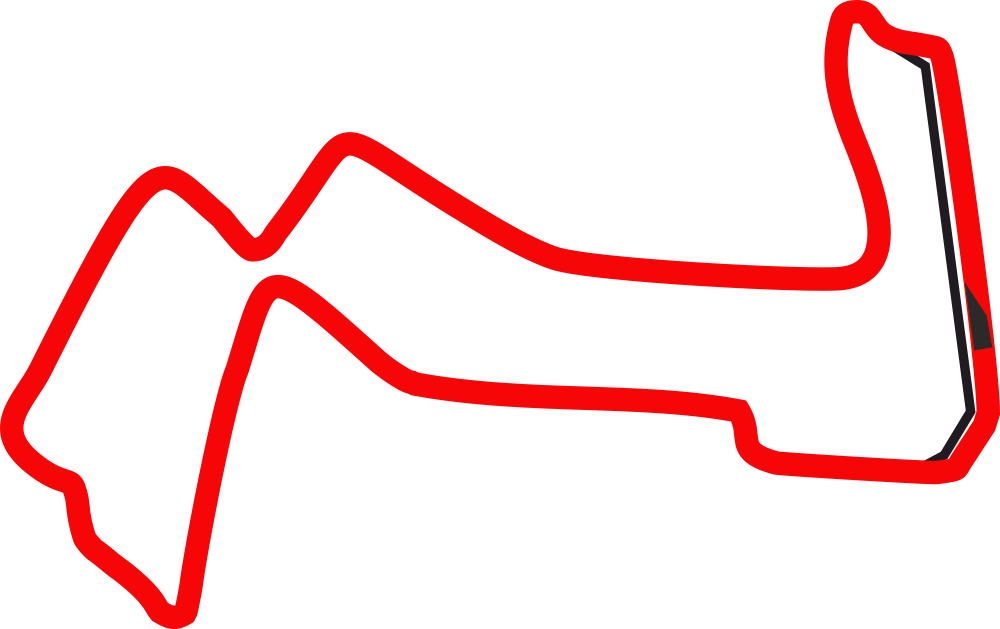
The 4.940km track has the typical characteristics of a street circuit, with barriers close to the racing line and limited overtaking opportunities. However, the changes introduced in the third sector in 2023 increased the number of high-speed sections, making the lap more flowing and quicker than in the past. Despite the presence of several straights, the circuit is still defined by numerous braking and traction phases through its 19 corners, allowing modern power units to recover energy throughout the lap.
Marina Bay has a medium-to-high level of surface roughness for a street circuit, in both macro- and micro-roughness terms. As no resurfacing work has been carried out, the values should be broadly in line with last season’s, if not slightly higher. Track evolution will be significant over the course of the weekend. Intermittent rain, typical of the equatorial climate, will also affect grip levels and could change conditions from one session to the next.
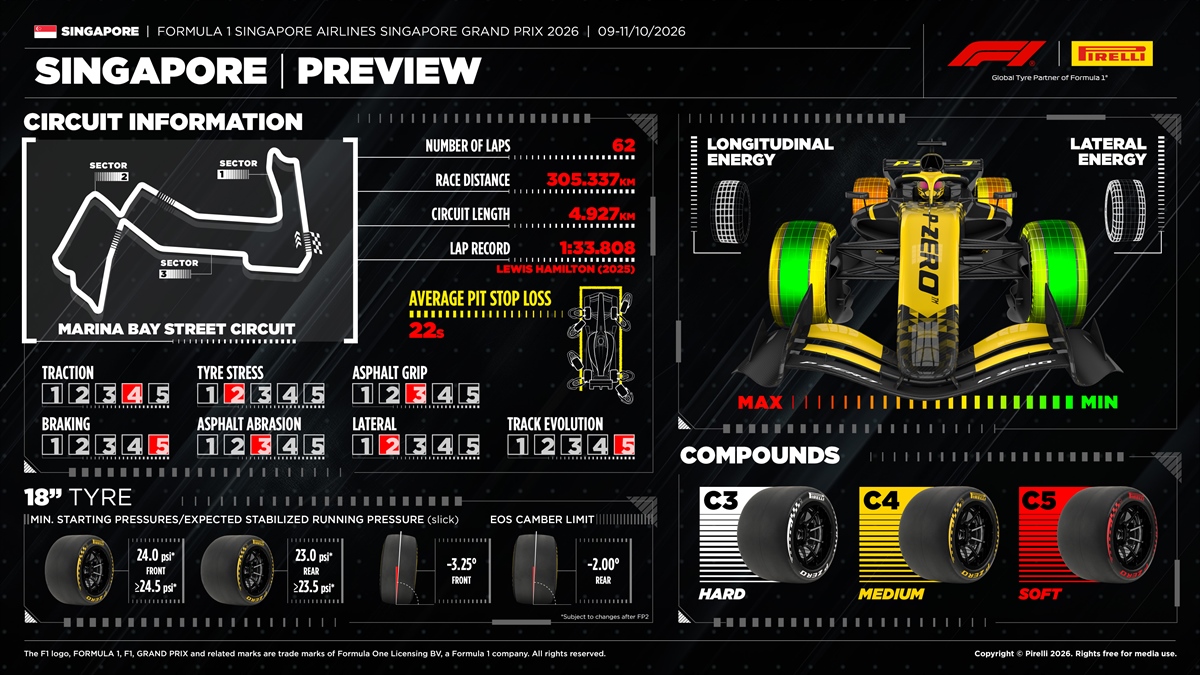
As is well known, the race takes place at night, with track temperatures between 30 and 35°C. In these conditions, the tyres tend to operate within their working window without any particular concerns over overheating. Mechanical stress is not especially high, and the expected degradation will be mainly linked to the usual loss of performance from the rear axle during traction phases. Graining and wear should not become limiting factors in race management either.
For these reasons, from a strategic perspective, Singapore remains one of the races where a one-stop strategy is the preferred option for teams, also considering the time lost in the pit lane and the high likelihood of neutralisations.
While the Hard and Medium compounds are again expected to be the benchmark tyres for the race, this year the Soft could receive greater consideration on Sunday from more than one team.
The softest compound in the range has demonstrated in Budapest, Monza and Baku that it allows drivers to maintain a strong pace thanks to limited degradation, while also offering an advantage in grip and confidence behind the wheel. These characteristics could prove even more valuable at a circuit such as Singapore, which is also known for its significant track evolution.
The 2026 cars also appear to make the most of the softer compounds. Downforce, more effective temperature management and the current compound formulation allow the softest tyres in the range to be used for longer and more competitive stints than in the past. With this in mind, it would be no surprise to see the red-banded tyre used in Saturday’s Sprint or, more generally, to see more extensive use of the C5 throughout the weekend, encouraged by the format itself.
Last year
Medium and Soft were the two compounds selected by teams for the opening phase of the race, with 14 drivers starting on the C4 and the rest on the C5. The Hard was ruled out as the track was still damp following rain earlier in the afternoon. The Soft therefore became the preferred compound for the second stint. Almost the entire grid completed the race on a one-stop strategy, with only three drivers opting for a two-stop approach.
A special podium cap
The cap worn by drivers on the podium at the Singapore Grand Prix will feature an orchid-inspired design. This flower is particularly admired in Singapore for its ability to thrive in conditions of heat, humidity and heavy rain, turning fragility into resilience. The special-edition Pirelli Podium cap is created by Pirelli Design and signed by designer Denis Dekovic, and as always will be available to all fans through the Pirelli Shop website.



Singapore GP 2026: complete guide
This is the second of the six in-depth features we regularly publish on formula1.it in the build-up to every race weekend: alongside the event’s TV and streaming schedule, they include Pirelli’s tyre and strategy analysis and information, Brembo’s assessment from the perspective of braking and energy management, official updates, the first images and set-ups from the pit lane, as well as the table of power-unit components used, useful for assessing potential grid penalties for the 2026 Bahrain GP.
Photos: Pirelli
All the news, photos, weather, session times and times from the Singapore GP 2026