 By:
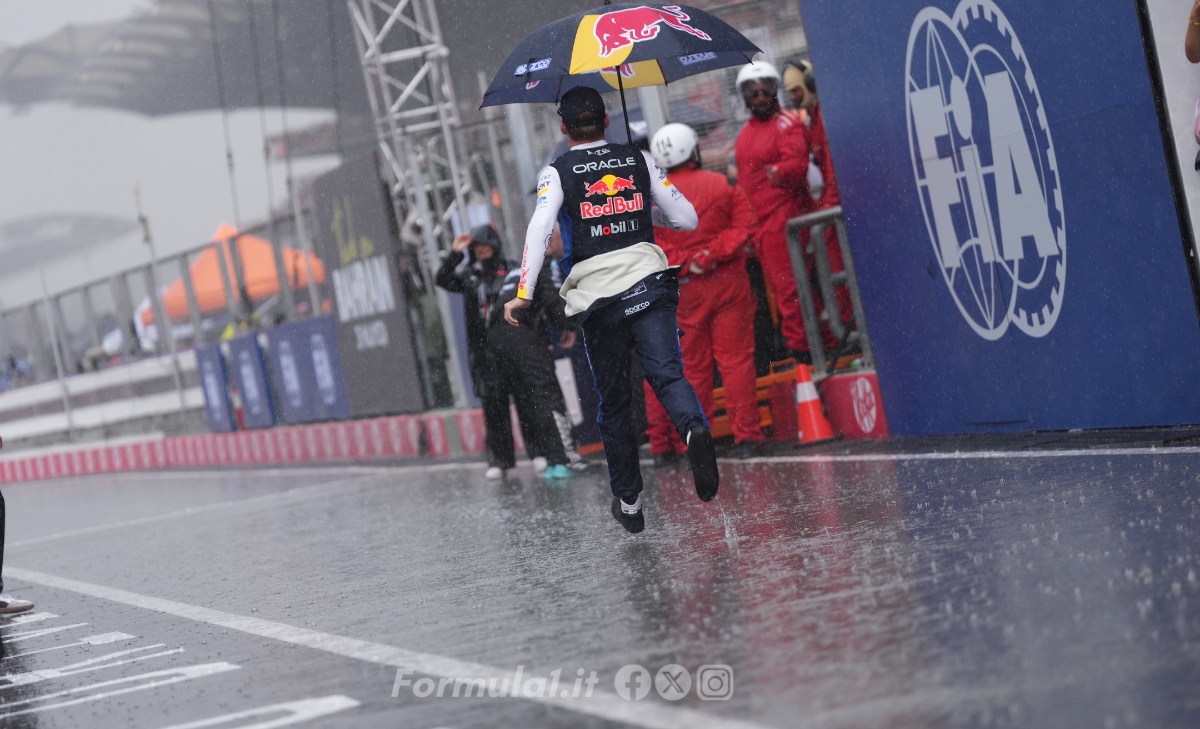
By: The rain falling on the Sepang circuit at the start of the Bahrain Grand Prix exposed a new vulnerability in the current regulations surrounding the new Power Units.
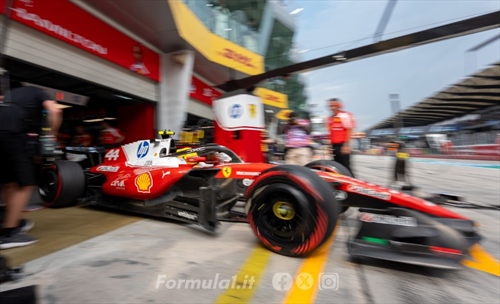
During the formation lap, a great many drivers reported problems with their power units. At least six suffered power losses, including Lewis Hamilton, who lost power delivery completely and was even forced to restart his SF-26.
But that was not all: Ferrari’s turbo-hybrid unit appeared to be particularly affected by this type of issue, with similar incidents also occurring on the Haas and Cadillac cars.
The chaos caused by cars circulating slowly forced race control to halt the start procedure, delaying it for a considerable time.
Did the rain send the PU management software haywire?
The cause of this unusual and embarrassing situation may lie in the way Power Unit software interprets what is happening around the car as it attempts to optimise power delivery.
The wet start may have fooled the management software, particularly Ferrari’s, cutting power delivery completely.
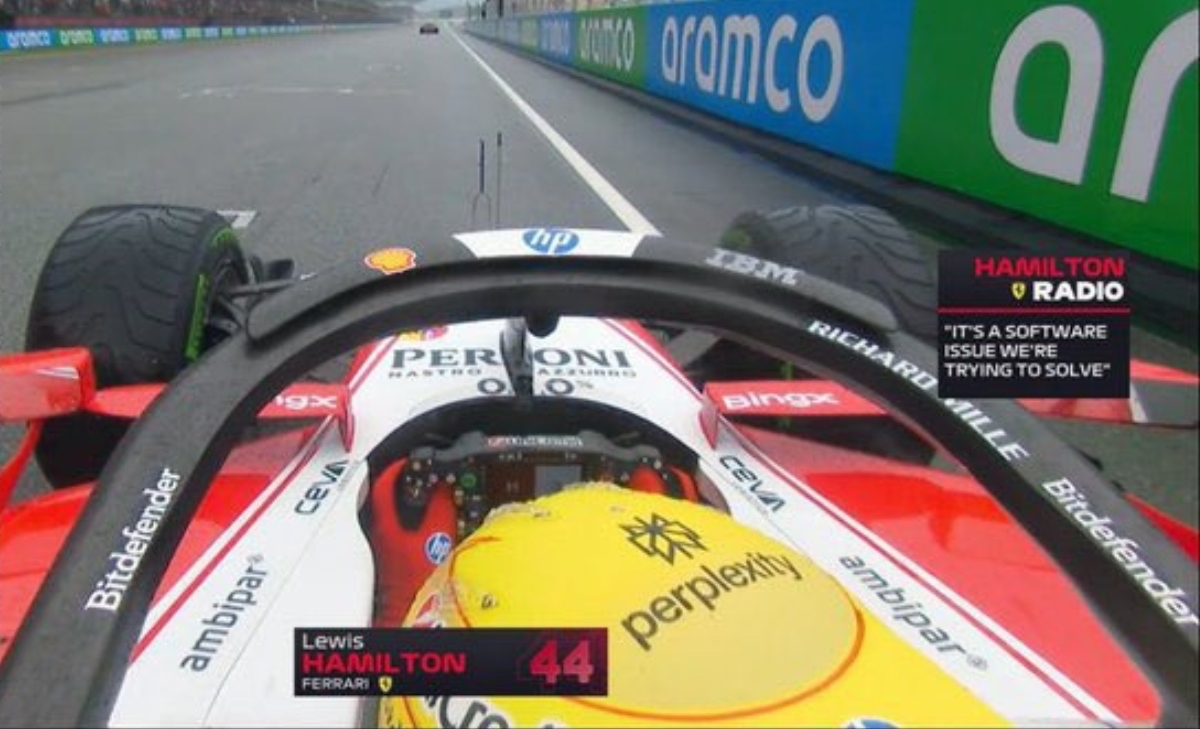
The software may have been thrown into confusion by the low speeds imposed on the train of cars by Max Verstappen, or by tyre wheelspin caused by the wet track surface.
Attention immediately turned to Bottas after the Azerbaijan Grand Prix, when he ended up in the barriers due to a software bug after it was fooled simply by a run wide at an earlier corner.
During the lengthy interruption before the restart, the Federation itself checked whether the software was fit to handle the race.
So the question returns: who controls these Power Units?
What are the risks associated with this software management?
What could have happened in a fully wet race?
Cover photo by Peter Kiss / WHYOUT Images
Internal photo F1 TV
All the news, photos, weather, session times and times from the Bahrain GP 2026