 By:
By: The FIA has published its summary document of all upgrades declared by teams for the 2026 Bahrain Grand Prix, held at Sepang this year. Seven teams have declared technical updates: McLaren, Mercedes, Red Bull, Ferrari, Visa Cash App Racing Bulls, Haas and Alpine.
The dominant theme is once again the pursuit of local load and flow quality towards the rear of the car. The floor, diffuser and aerodynamic management of the rear area are once again central to development, while Sepang’s particular conditions have prompted some teams to address cooling as well, especially for the power unit and brakes.
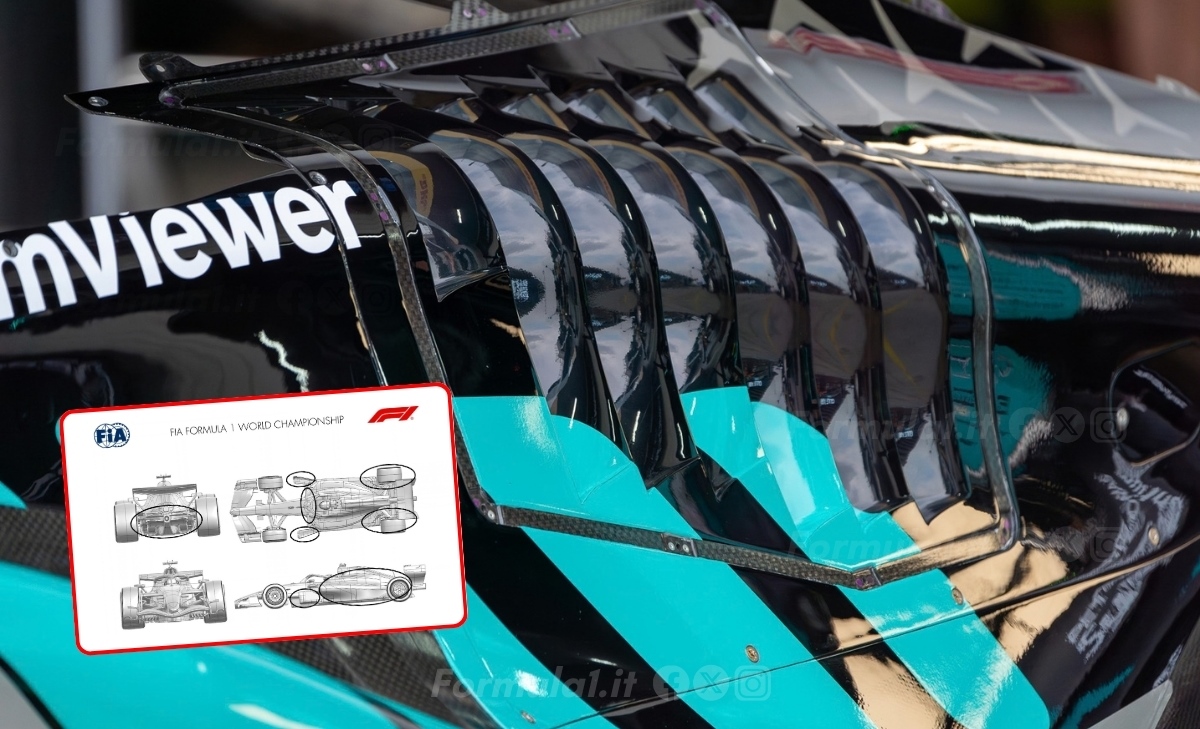
The clearly most significant package comes from Mercedes, which has modified seven areas of the W17. The changes begin with the Floor Board and continue along the leading edge, side elements and floor body, before extending to the suspension, brake corner and rear bodywork. The common thread is to increase local load, improve diffuser feed and make the aerodynamic behaviour more robust across the full operating range.
The direction taken with the rear bodywork is also interesting. Mercedes has reduced the volumes and accentuated the side ramp to increase downwash towards the floor and rear-wheel area: a philosophy which, at least conceptually, appears to move closer to that used by McLaren before Baku. In Azerbaijan, however, the Woking team changed direction, abandoning part of that solution for more undulating and undercut bodywork, with concepts closer to those developed by Red Bull. These are not identical solutions, of course, but it is interesting to see how development paths are beginning both to converge and intersect.
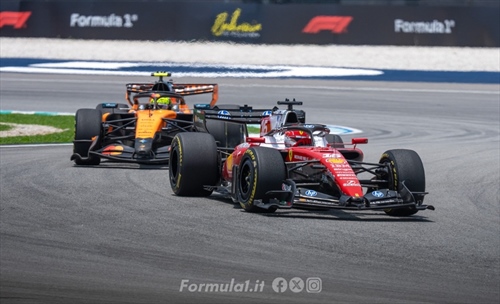
The other interventions are more limited in scope. Ferrari has evolved its diffuser with a change not specific to Sepang, while Red Bull continues to work on the Floor Board to increase load while keeping the flow behind the front wheels stable. Racing Bulls, meanwhile, has made changes at both ends of the car, expanding the front-wing balance range and improving the efficiency of the rear wing’s support elements.
Malaysia’s environmental conditions are particularly evident in the work carried out by McLaren and Alpine: the former introduces high-capacity cooling bodywork, while the latter increases front-brake heat rejection. Haas, finally, brings an additional Rear Impact Structure configuration to refine the car’s behaviour for the circuit.
Williams, Aston Martin, Audi and Cadillac have not declared any upgrades for the Sepang weekend.
Here are all the official changes brought by the teams for the 2026 Bahrain GP.
McLaren
McLaren brings a new bodywork configuration to Sepang dedicated to thermal management. The new Coke/Engine Cover has been designed to increase cooling airflow in response to the high demands of this event and the forthcoming circuits.

| Component | Reason | Differences | Description |
|---|---|---|---|
| Coke/Engine Cover | Circuit-specific - Cooling range | High-capacity cooling bodywork | To meet the high cooling demands of this circuit and the forthcoming events, a new engine cover has been designed to increase the mass flow of cooling air. |
Mercedes
Mercedes brings the weekend’s most extensive package, with seven areas affected. The work is heavily focused on the floor and the quality of flow directed towards the rear of the car: the Floor Board, leading edge, side area and diffuser have changed, while the suspension, brake corner and rear bodywork have been redesigned to work with the new aerodynamic field. The aim is to increase local load, improve diffuser feed and make the platform more stable in different operating conditions.

| Component | Reason | Differences | Description |
|---|---|---|---|
| Floor Board | Performance - Local load | Reprofiled horizontal elements and new grooved upper vertical element | The reprofiled and new vertical elements improve local pressure distribution, reduce flow separation at the limits of the operating range and improve flow towards the rear of the car, increasing load. |
| Floor Leading Edge | Performance - Flow conditioning | Reprofiled elements and additional downwash-inducing elements | The additional downwash-inducing elements increase local load and outwash, improving flow towards the rear of the car and increasing the load generated by the rear section of the floor. |
| Floor Corner | Performance - Flow conditioning | Additional slots and reprofiled elements | The slot arrangement in the floor’s side area has been reoptimised to increase local load and improve flow directed towards the diffuser, consequently increasing rear load. |
| Floor Body | Performance - Local load | Reprofiled diffuser roof, sidewall and winglet | The new optimisation of the diffuser roof and sidewall increases local load and improves aerodynamic robustness across the full operating range. |
| Rear Suspension | Performance - Local load | Reprofiled suspension fairings | The aerodynamic orientation of the pull rod and driveshaft has been redistributed to increase local load and improve interaction with the diffuser winglet and rear drum elements. |
| Rear Corner | Performance - Local load | Revised aperture and position of rear winglets | The chord and position of the rear drum winglets have been reoptimised to work with the new fairings and improve control of the rear tyre wake across the full operating range. |
| Rear Bodywork | Performance - Flow conditioning | Reduced volume and more pronounced side ramp | The reduced volume and increased side ramp boost downwash towards the floor and rear drum, generating more local load. |
Red Bull
Red Bull continues its floor development with a highly localised modification to the Floor Board. The new geometry is intended to extract more local load while keeping the aerodynamic flow behind the front tyres stable, an area particularly sensitive to the operation of the rest of the floor.

| Component | Reason | Differences | Description |
|---|---|---|---|
| Floor Board | Performance - Local load | Revised Floor Board geometry | Applied to the existing floor geometry, the new Floor Board is an evolution designed to generate greater local load while maintaining stable flow behind the front tyres. |
Ferrari
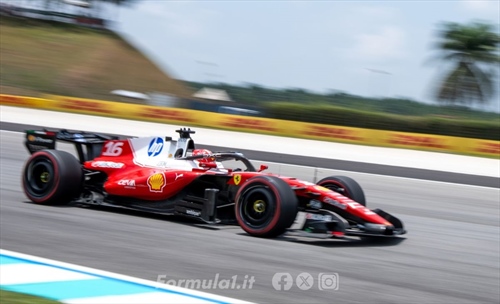
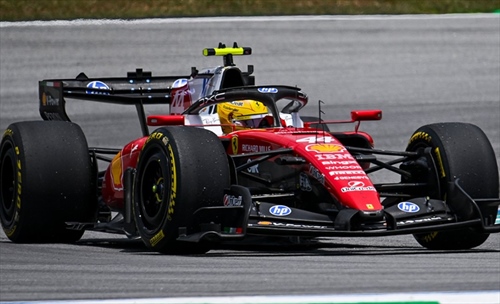
Ferrari introduces a highly localised refinement to the diffuser. It is not a Sepang-specific solution, but a genuine performance development: the winglet cascade in the diffuser’s outer area has been modified to deliver an increase in aerodynamic load across the car’s full operating range.

| Component | Reason | Differences | Description |
|---|---|---|---|
| Diffuser | Performance - Local load | Development of the outer diffuser winglet cascade element | Not specific to Sepang, this highly localised development around the diffuser winglet cascade provides a favourable increase in aerodynamic load across the car’s full operating range. |
Williams
Williams has not declared any upgrades.
Visa Cash App Racing Bulls
Racing Bulls has made changes at both ends of the car. At the front, it uses the higher-chord flap already introduced at the previous event, helping to widen the load range and meet Sepang’s balance requirements. At the rear, the wing’s auxiliary components have been revised to improve their efficiency in generating load.

| Component | Reason | Differences | Description |
|---|---|---|---|
| Front Wing | Circuit-specific - Balance range | New front flap | A higher-chord flap, introduced at the previous event, increases the load that can be generated by the front wing, meeting the aerodynamic balance requirements of this circuit. |
| Rear Wing | Performance - Local load | Revised rear-wing auxiliary components | An improved design of the rear wing support components allows the wing to work more effectively, increasing the efficiency of the aerodynamic load generated. |
Aston Martin
Aston Martin has not declared any upgrades.
Haas
Haas brings an additional Rear Impact Structure configuration. It is not a major aerodynamic development, but a solution that allows the team to fine-tune the car’s characteristics more specifically to the circuit’s requirements.

| Component | Reason | Differences | Description |
|---|---|---|---|
| Rear Impact Structure | Performance - Local load | Updated Rear Impact Structure geometry | An additional Rear Impact Structure configuration will be available at the track, allowing targeted adjustment of the car’s characteristics for this circuit. |
Audi
Audi has not declared any upgrades.
Alpine
Alpine has addressed thermal management at the front of the car. The front drum outlet has been modified to increase brake cooling capacity, a particularly important requirement at circuits with high thermal demands such as Sepang.

| Component | Reason | Differences | Description |
|---|---|---|---|
| Front Corner | Performance - Brake cooling | Revised front drum outlet | The front drum outlet has been reduced to increase brake cooling capacity, improving thermal management at more demanding circuits. |
Cadillac
Cadillac has not declared any upgrades.
2026 Bahrain GP: complete guide
This is the fifth of the six in-depth features we regularly publish on formula1.it in the build-up to every race weekend: alongside all the official upgrades and the table of power-unit components used, there is room for technical analysis and the first images from the pit lane, Pirelli’s tyre and strategy analysis and information, braking and energy-recovery analysis, and the TV and streaming schedule for the 2026 Bahrain GP.
All the news, photos, weather, session times and times from the Bahrain GP 2026