 By:
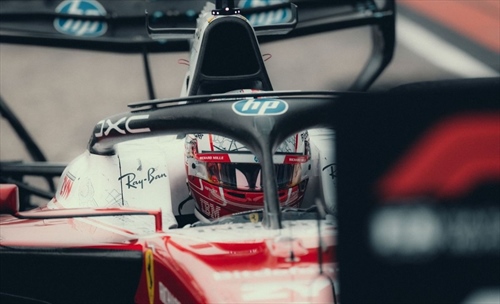
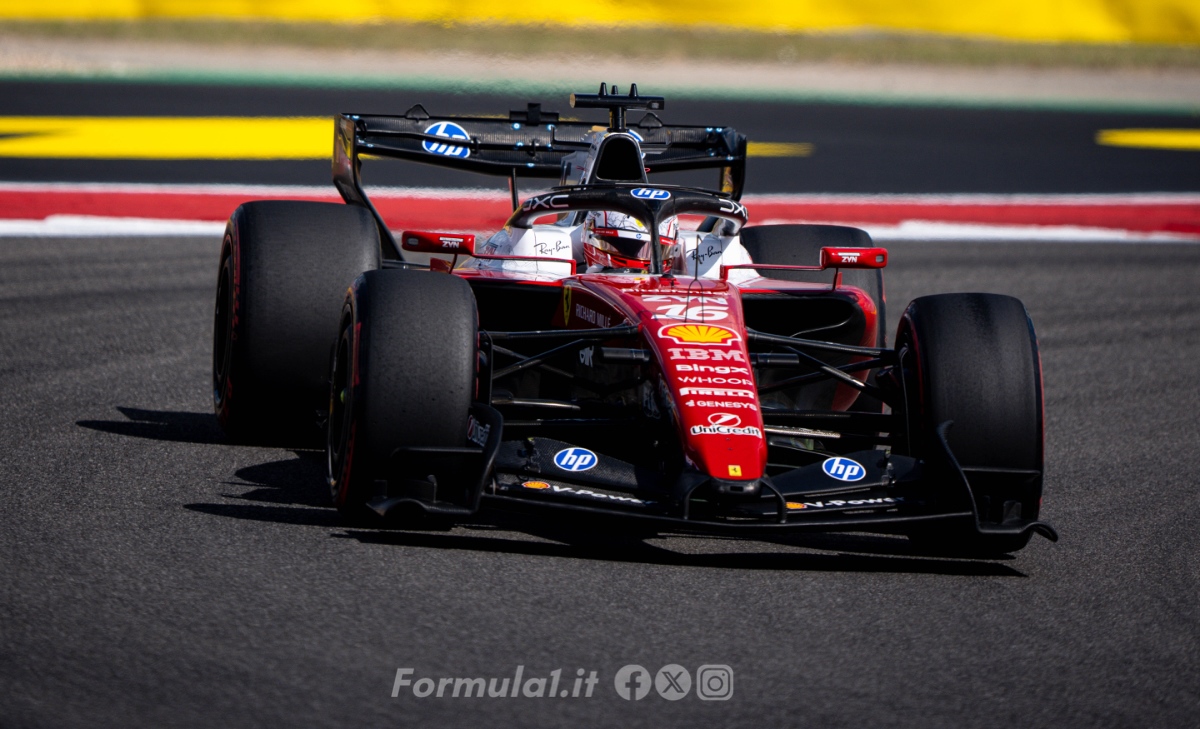
The United States Grand Prix was a hugely important moment for Ferrari, as the team had planned to introduce its final major upgrade package for the SF-26 at this event.
The upgrades brought to the Texas circuit covered a wide range of areas on the car. Among the most conspicuous is the revised sidepod shape, which does not abandon the original concept but rather seeks to emphasise it, also reviving some ideas already seen on previous generations of cars featuring enhanced ground effect.
A very delicate step

At this stage of the season, introducing such an extensive upgrade package was, as mentioned, an important moment for the Maranello team, but also an interim and risky one, given that its direct rivals — Mercedes, McLaren and Red Bull — have all struggled significantly to get their upgrades right when introducing them.
For once, Ferrari managed to ensure that the press did not burden the work of its technicians with needless expectations, keeping a low profile and stating that the gains from the new configuration would be very limited.
In reality, the quality of the work is not so much reflected in the stopwatch as in the fact that Ferrari has not lost sight of the car's direction, given that what was seen in Texas will presumably feed into the definition of next year's car in some way.
It is very easy to lose the plot with upgrades
Indeed, the first team to radically alter its car was Red Bull, which thoroughly revised the car's philosophy at the distant Miami Grand Prix, particularly with regard to the sidepods. It only managed to make the new concept work later in the season, from the Azerbaijan Grand Prix onwards.
McLaren and Mercedes, meanwhile, redefined the shapes of their cars between the Azerbaijan Grand Prix and Sepang, encountering far greater difficulties in making the new solutions work.
McLaren, which appeared to have rediscovered its competitiveness before introducing its B-spec version, seems to have taken a significant step backwards since radically overhauling the MCL40.
Mercedes, for its part, encountered the same difficulties, although these appear to have been overcome through a better understanding of the new car — and also masked by overwhelming superiority at power unit level.
Ferrari could have faced a similar situation. Instead, the new upgrade package worked very well in Austin, looking promising from the opening practice sessions and even putting the SF-26 in contention for pole position on Saturday, despite its now well-established engine deficit.
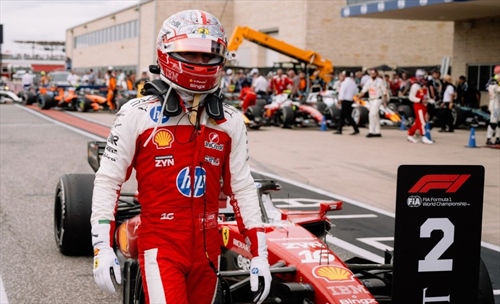
Despite the upgrades, the Maranello car retained its race strengths, having consistently performed better in race trim than in qualifying throughout the season. It demonstrated excellent competitiveness in Leclerc's hands as he finished second behind the untouchable Antonelli, and also with Hamilton, who would very likely have passed Verstappen in the closing stages had it not been for the Virtual Safety Car caused by Bottas's retirement.
This weekend's Mexican Grand Prix will represent a far more complex test for the SF-26, but also a much less representative one, as the circuit is located at high altitude and the power deficit to its rivals will be amplified considerably.
It would therefore be wrong to judge the quality of Ferrari's upgrades on the basis of what happens in Mexico City, although it should also be remembered that the SF-26 has been capable of delivering a few surprises.
Ultimately, the men at Maranello deserve applause. Throughout the season, they have introduced changes that have always been effective and have never left the team confused, as has instead happened with the other four top teams.
Second place in the constructors' championship, now effectively secured behind Mercedes, is thoroughly deserved and reflects the excellent chassis and development from which the SF-26 has benefited this season.
All the news, photos, weather, session times and times from the United States GP 2026