 By:
By: Qualifying held yesterday at the Sepang circuit, exceptionally hosting the Bahrain Grand Prix, delivered a few surprises.
First and foremost, Mercedes struggled despite its substantial package of upgrades, which probably still needs to be fully understood.
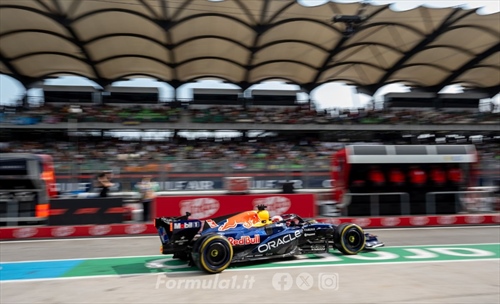
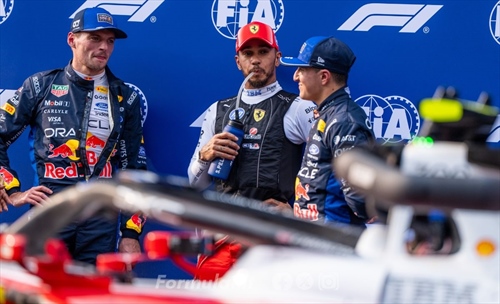
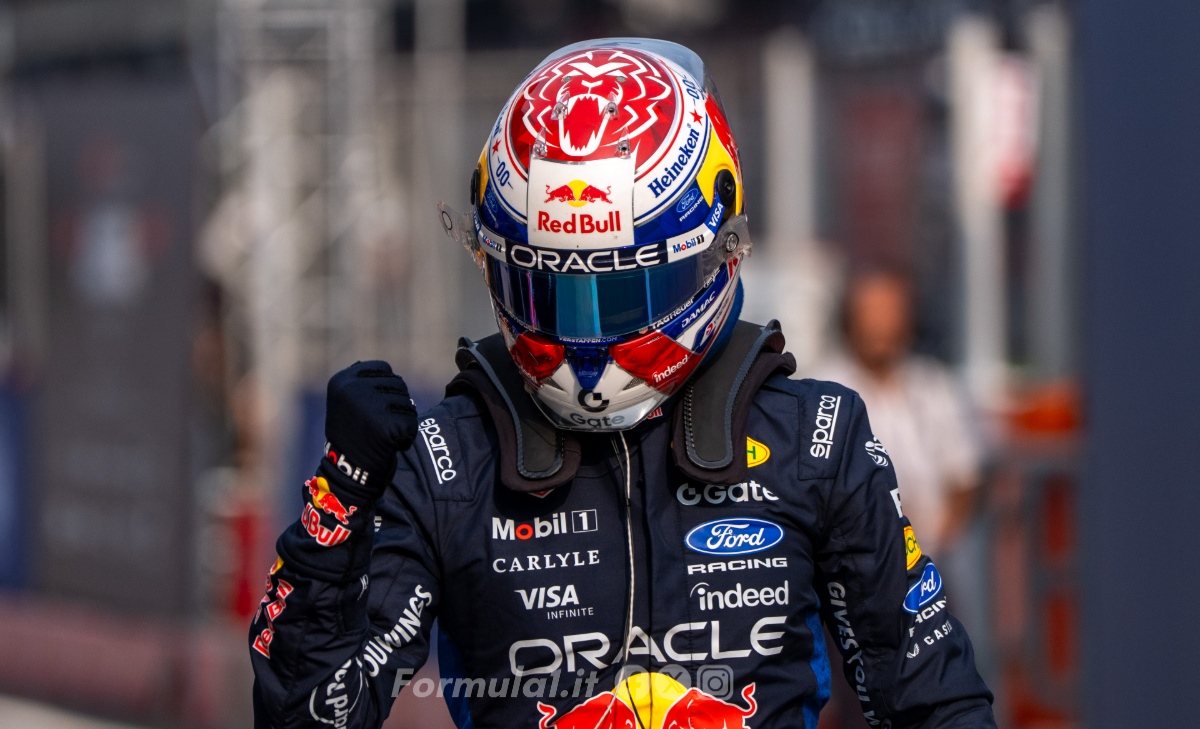
Secondly, there was Red Bull’s strong performance, with Max Verstappen taking pole position and Hadjar qualifying third.
Hamilton’s second place was also notable, and it is amusing to think that, among those with competitive machinery, it was precisely the drivers who had already raced at this demanding circuit who delivered the best performances.
Verstappen and Hamilton, veterans with different strategies.
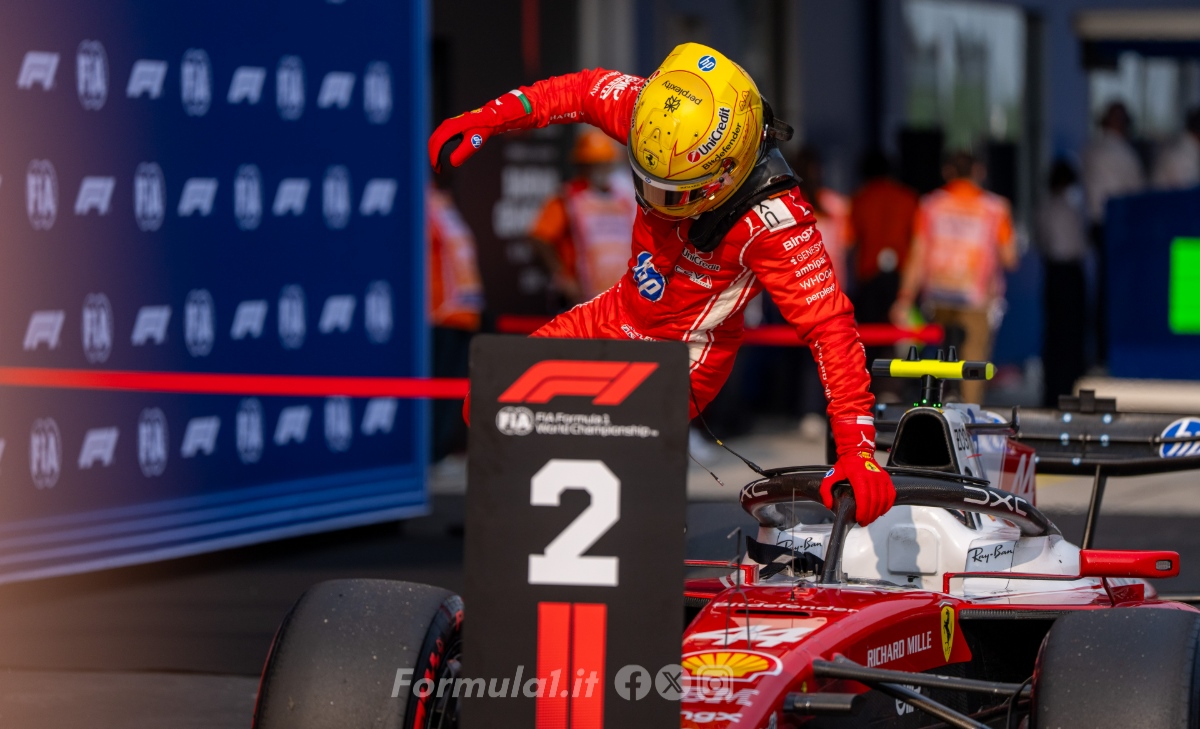
The telemetry traces of the two world champions occupying the front row could hardly be more different.
It is clear, however, that each driver tackled the circuit according to the characteristics of his car.
First of all, Lewis Hamilton handled the more technical section of the track, from Turn 4 to Turn 11, superbly, but his SF-26 pays heavily for its shortcomings in energy management compared with the RB22.
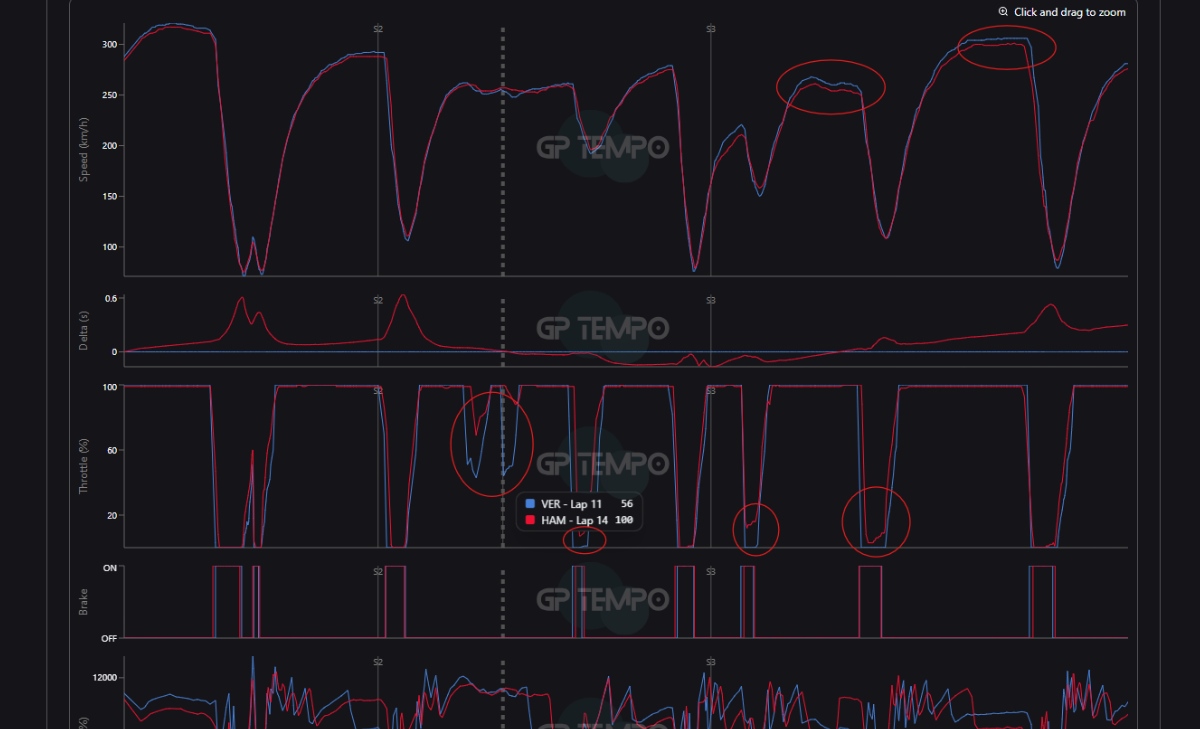
After every straight, Verstappen reaches the following corner with a higher top speed, begins braking earlier than Hamilton, lifts significantly through almost every turn in the central section, lets the car roll and harvests energy before deploying it from Turn 11 onwards, especially on the two long final straights, which alone account for around three tenths of the gap.
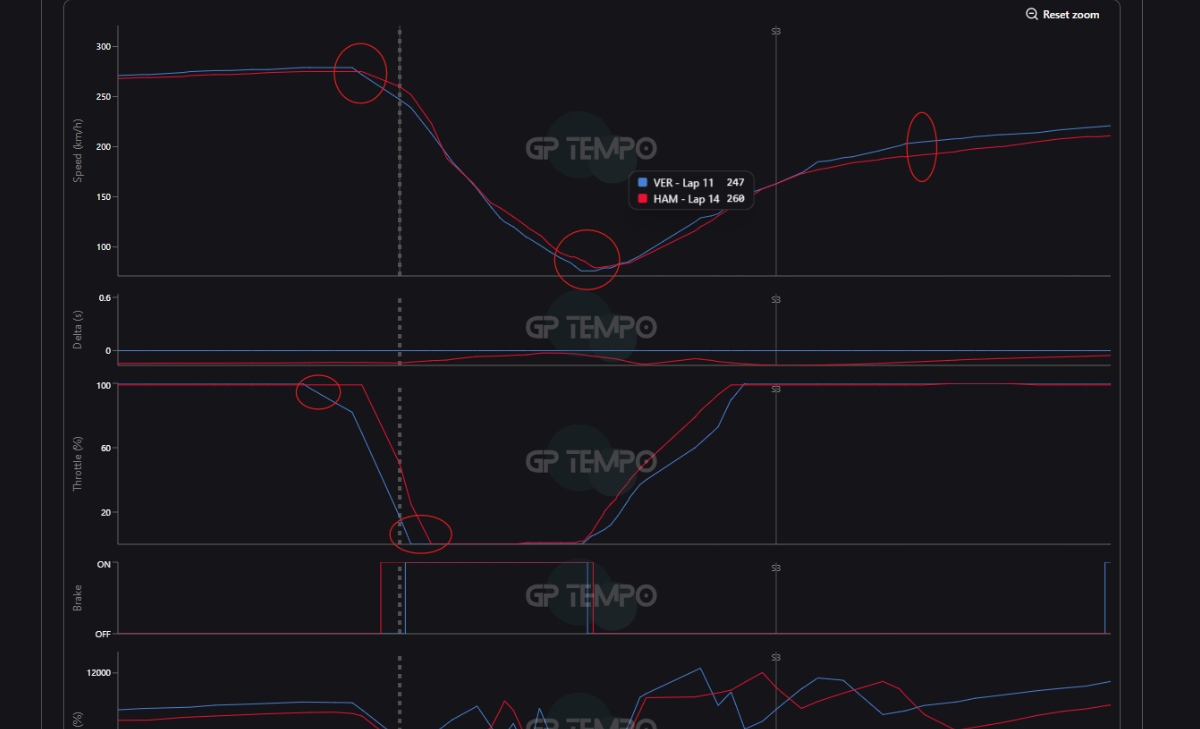
This is a strategy deployed by Red Bull, which Hadjar also used, albeit without being as effective as Verstappen or Hamilton through Turn 1: experience counts at Sepang.
Mercedes fails to shine on the straights
Mercedes was probably the negative surprise of the weekend.
Perhaps too much was expected from a radically revised car making its debut at a circuit where the team has had no experience for nine years, particularly given all the regulatory changes that have taken place since then.
The real surprise, however, is that Mercedes appears to struggle with hybrid management compared with Red Bull’s approach, particularly with Max Verstappen.
First of all, through Turns 1 and 2, Verstappen arrives with more speed and brakes later, opening up a three-tenth gap in the opening two corners alone.
As described above, in the more technical section Verstappen manages those three tenths perfectly, lifting emphatically in corners such as Turns 5 and 6.
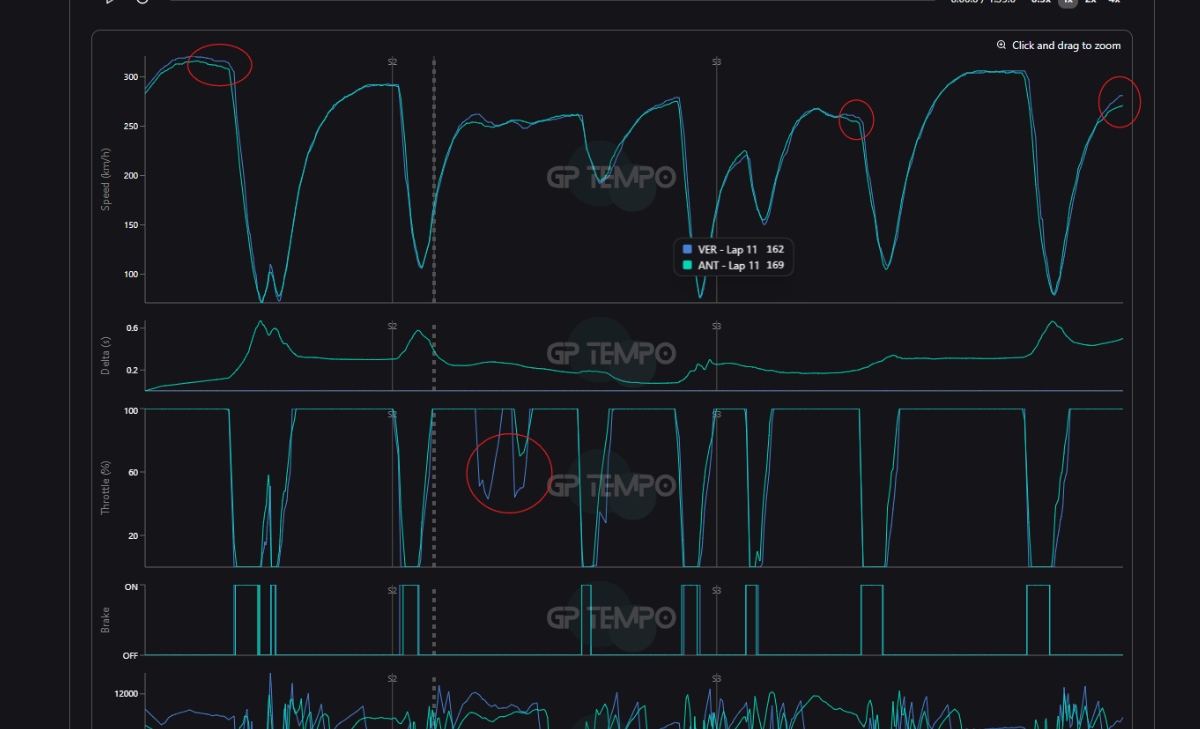
From that point, Verstappen has more energy to deploy, but he also gets the better of Antonelli through experience, on the entry to the complex Turn 14 and by virtually throwing the car up the inside at the final corner before the line, while retaining enough energy for a further burst worth around 10km/h at the finish.
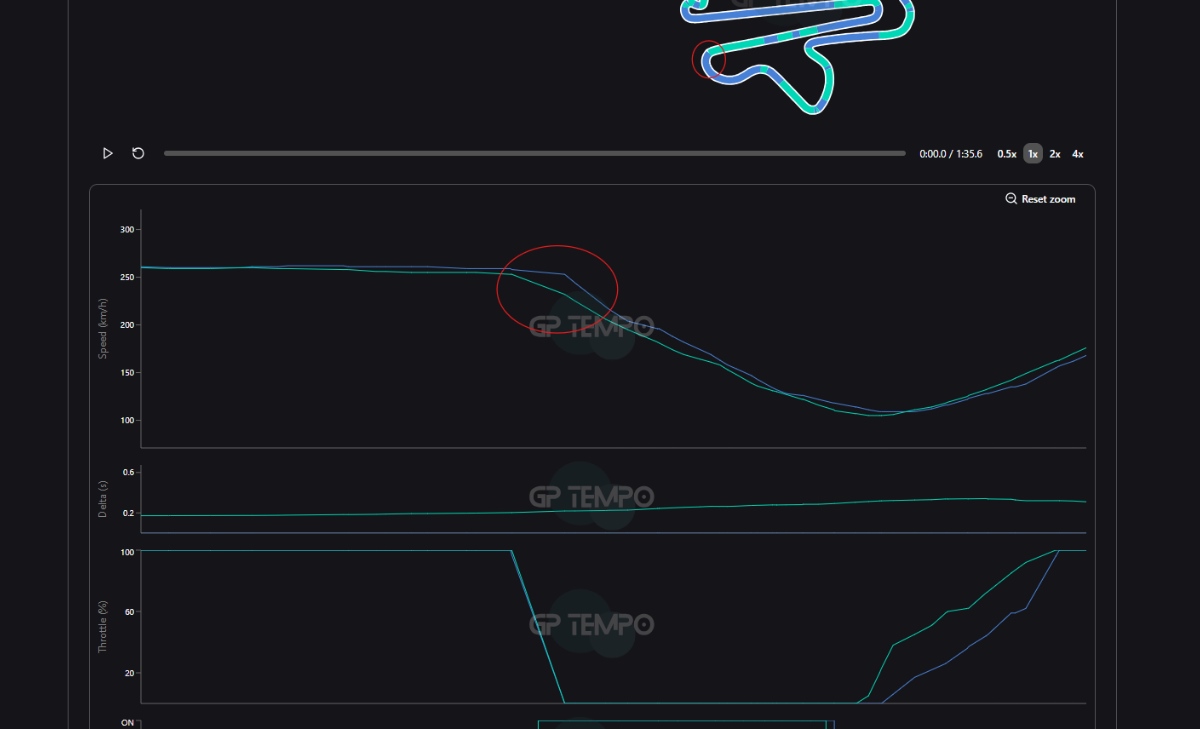
On all the other straights, the RB22 matches the Mercedes W17, which failed to show one of its key strengths precisely where it was most expected to do so, because of the circuit’s endless opposing straights in Kuala Lumpur.
Internal image www.gp-tempo.com
Cover and internal images by Peter Kiss / WHYOUT Images
All the news, photos, weather, session times and times from the Bahrain GP 2026