 By:
By: In this regular feature, we will analyse the Grand Prix from all the main technical perspectives: aerodynamics, energy, brakes and power units, as well as mechanical set-up, tyres and the characteristics of the circuit. The first images from the pitlane will help us assess the set-up choices, the compromises adopted by the teams for Sepang and all the upgrades brought here by the constructors.
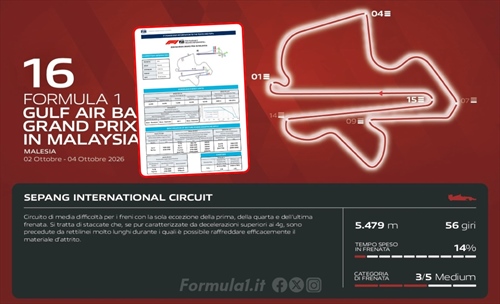
Formula 1 returns to Malaysia after almost nine years. Absent from the calendar since 2017, Sepang will host the relocated Bahrain GP from 2 to 4 October following the cancellation of Sakhir. It will be the 16th round of the 2026 season and one of the most comprehensive tests for the new cars.
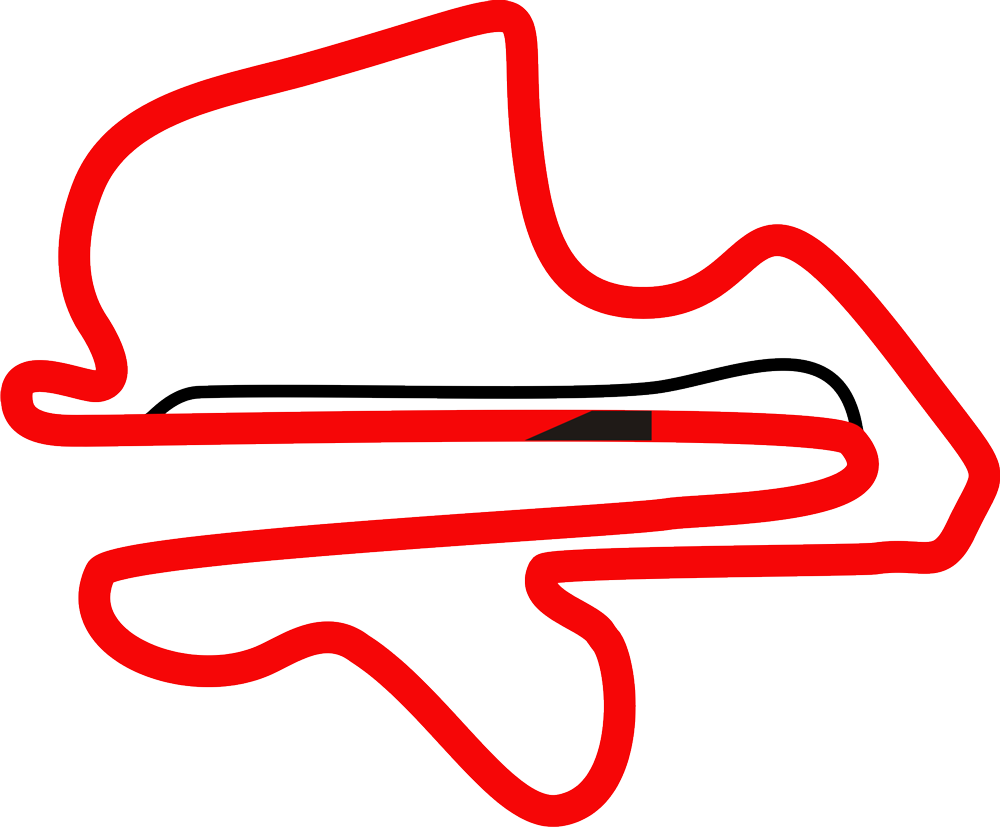
The Sepang International Circuit measures 5.543 kilometres, with 15 corners, 10 right-handers and five left-handers, plus two long straights. The layout alternates heavy braking zones, high-speed corners and more technical sections, demanding a delicate compromise between downforce, efficiency, stability and traction.
Compared with Baku, a far more complete car will be required here. Turns 5 and 6 demand stability and downforce, while the long straights reward efficiency and top speed. There are also low-speed exits where traction and torque management become decisive. The track is also very wide and allows for different racing lines. The first sector combines heavy braking, changes of direction and slow acceleration zones; the middle sector chiefly tests balance; while speed and efficiency come back into focus in the final sector before the braking zone for Turn 15.
Sepang will also be particularly interesting for the use of Straight Mode. The FIA has identified four zones in which the cars will be able to simultaneously adjust the angle of attack of the front and rear wings to reduce drag: on the main straight, between Turns 3 and 4, between Turns 8 and 9, and between Turns 14 and 15.
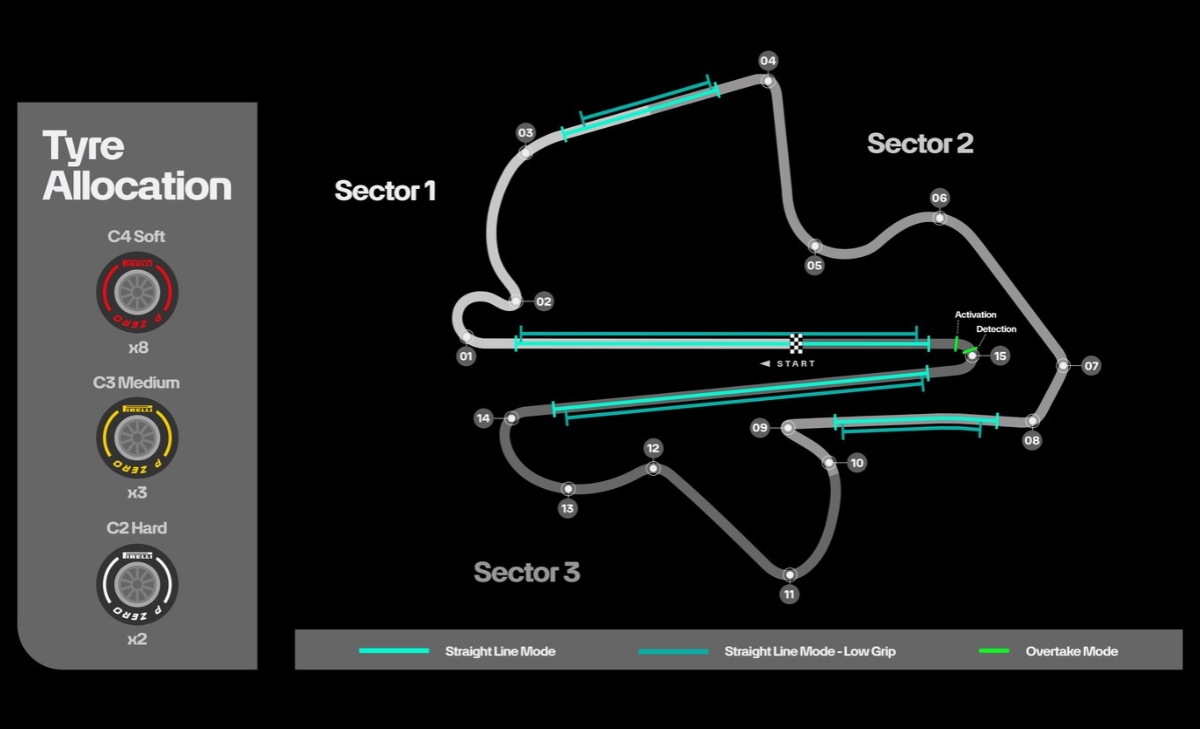
Overtake Mode will also have a very clear configuration: the detection point will be on the exit of Turn 15, with activation at the beginning of the main straight. Drivers passing within one second of the car ahead will therefore be able to benefit from the additional electrical profile provided for by the 2026 regulations on the following lap, with particular significance on the long start-finish straight.
The environmental conditions should not be underestimated either. High heat and humidity place cooling, brakes and Power Units under pressure, while the high lateral loads particularly stress the front-left tyre. And, as is often the case in Malaysia, rain can change the picture within minutes.
Mercedes at Sepang
Mercedes has also brought its first new parts to Sepang, the opening phase of a substantial planned upgrade package, from revised sidepods to the floor. The first images reveal a more pronounced downward slope of the sidepods towards the floor, with a geometry more closely recalling Red Bull's philosophy and, curiously, the one used by McLaren before its Baku upgrade.
A new engine cover section with additional shark-gill openings is particularly evident. Mercedes is clearly concerned about the Malaysian heat, also in light of the reliability problems experienced by its Power Units.
Ferrari at Sepang
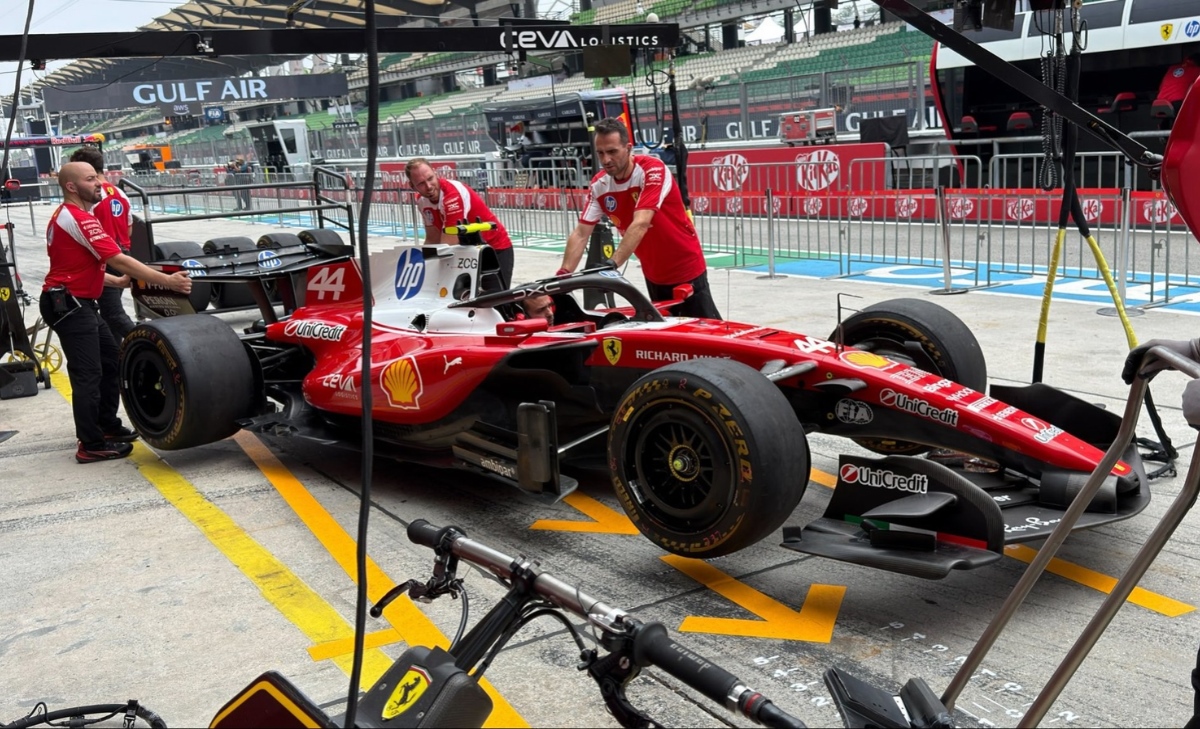
Ferrari has also brought some new parts. The first images from the pitlane suggest the team has once again modified the splitter, in the lower front area of the chassis. This is a particularly important element for managing the airflow directed towards the floor and, consequently, for the operation of the underfloor aerodynamics, an area in which the Maranello engineers had already intervened at the start of the season. It will be interesting to assess the geometry and scope of the change with more detailed images.
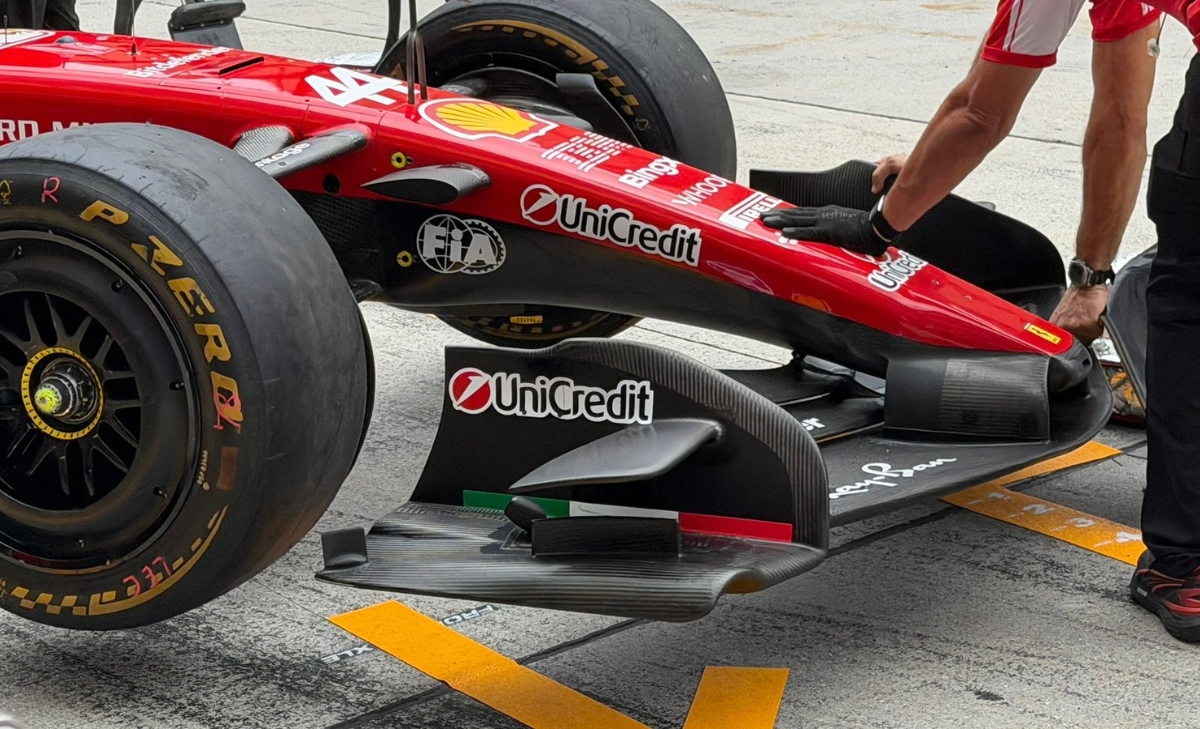
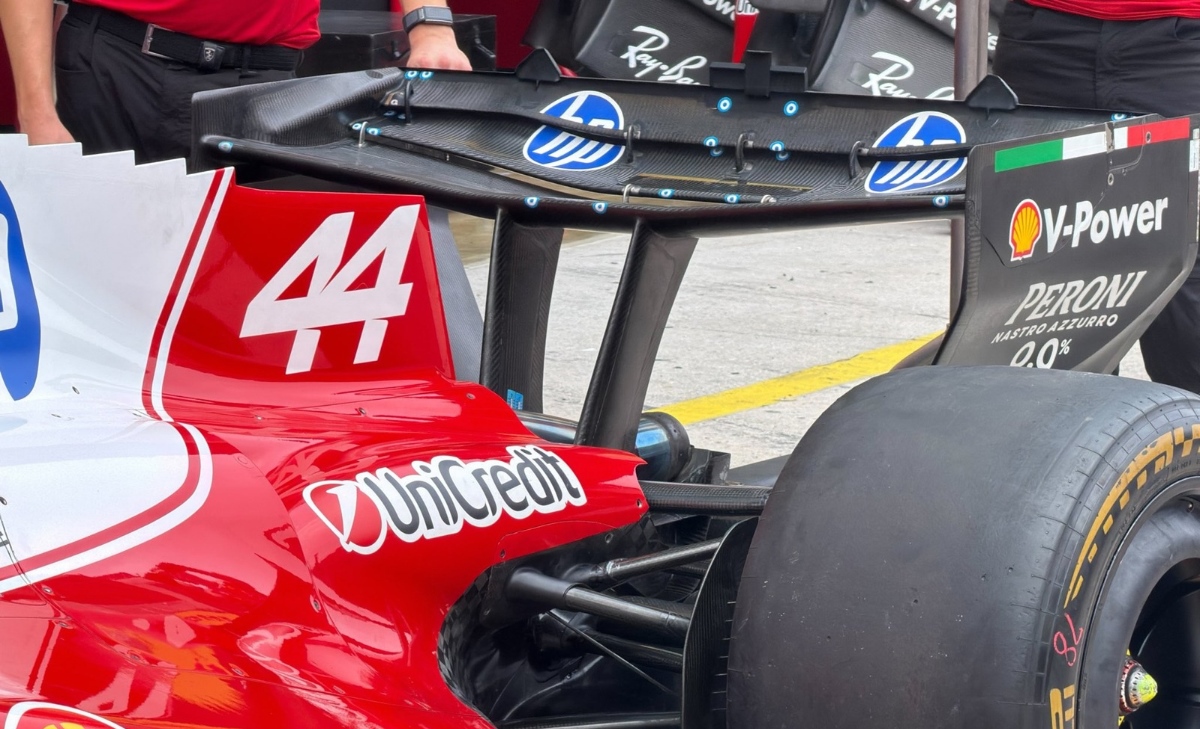
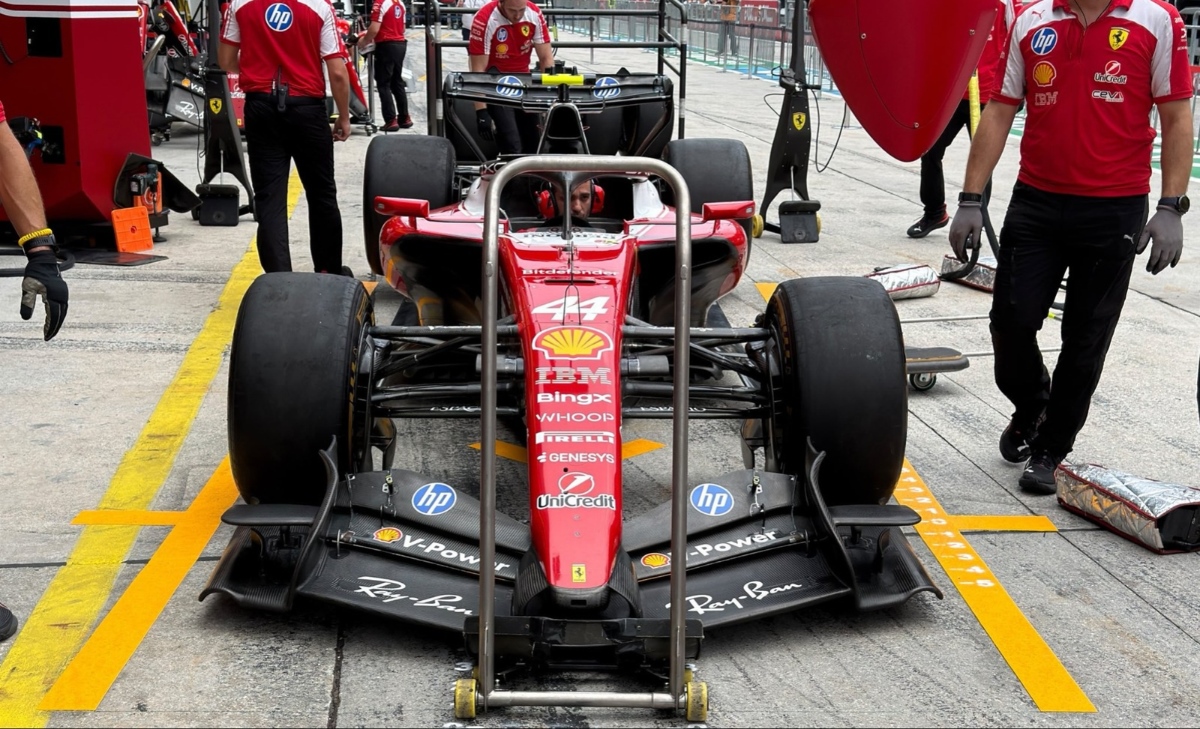 Ferrari at Sepang - Photo by @AlbertFabrega
McLaren at Sepang
The latest images have allowed us to observe how teams are interpreting airflow management around the sidepods differently, but are ultimately converging on two or three philosophies. McLaren is particularly interesting, having significantly altered the interface between the sidepod and floor with the package introduced at Baku. The new geometry now appears much closer to Ferrari's solution, while retaining differences in the overall management of airflow towards the floor and rear of the car.
Article being updated...
2026 Bahrain GP: complete guide
This is the fourth of the six features we regularly publish on formula1.it to accompany the build-up to every race weekend: alongside the first images from the pitlane and set-up choices, we also cover Pirelli's tyre and strategy information, analysis of brakes and energy management, the event's TV and streaming schedule, official updates, and the table of power unit components used.
All the news, photos, weather, session times and times from the Bahrain GP 2026