 By:
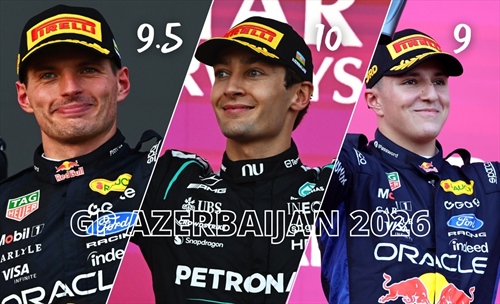
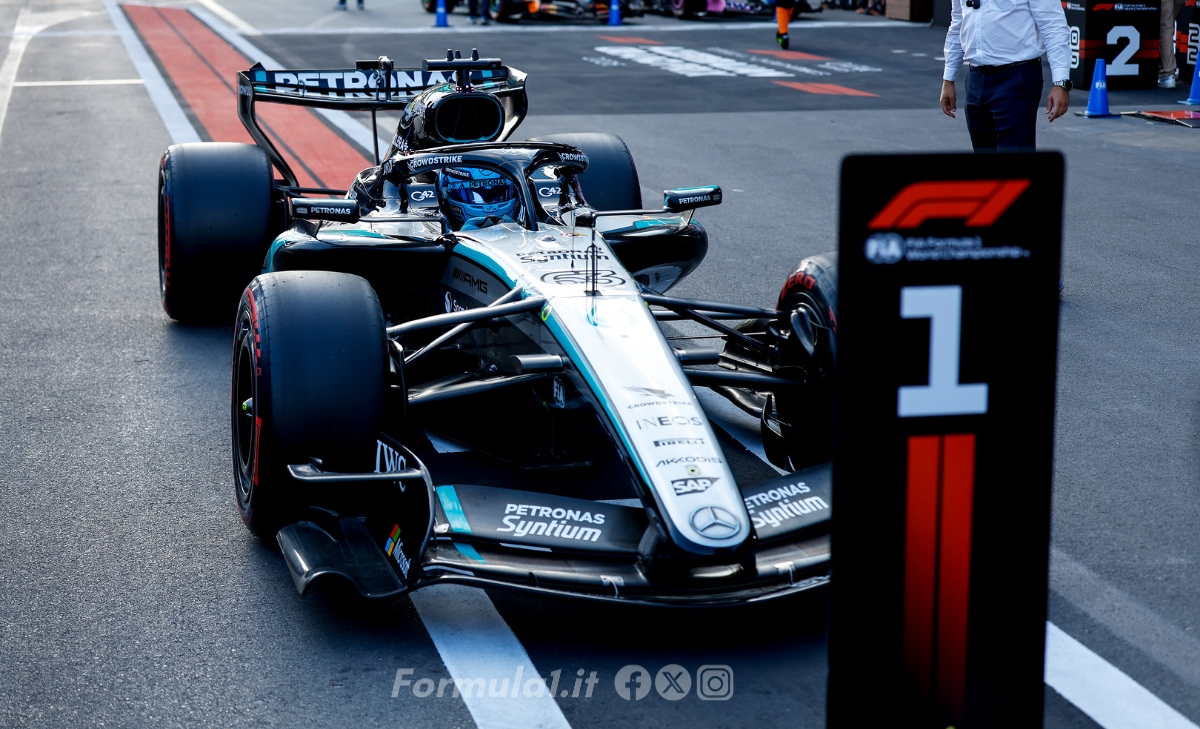
By: The Azerbaijan weekend saw Mercedes dominate as never before this season. George Russell was particularly outstanding, topping every session apart from FP3, when Verstappen’s Red Bull came out on top by a few thousandths.
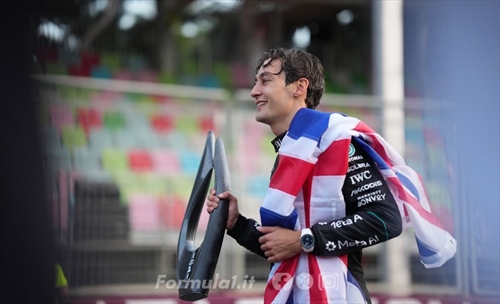
The most significant moment of the Baku weekend was undoubtedly qualifying, culminating in pole position for the Briton, who put eight tenths between himself and the nearest pursuer — a margin Formula 1 had not seen for around 20 years.
The engine delivers, but there is much more besides
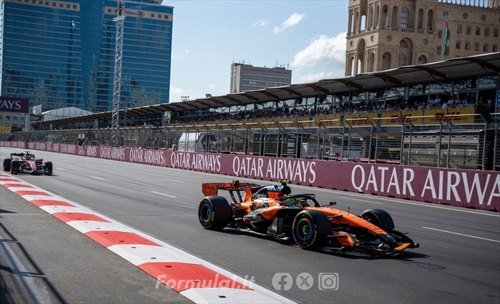
Looking at the three tenths Russell put between himself and his rivals in the third sector, it would be simplistic to put it all down to engine power alone. To be clear: Brixworth’s Power Unit as a whole is undeniably the best in the field, but in Baku the W17 proved to be an efficient car in terms of the chassis too.

Further evidence of this came in the old city section, where Mercedes showed it possesses other strengths beyond its already well-known energy efficiency in terms of deployment: clear aerodynamic efficiency, proven agility in slow-speed corners and excellent traction, allowing the rear axle to avoid wheelspin on corner exit and, consequently, preventing the drivers from wasting an excessive amount of battery energy once they get back on the throttle.
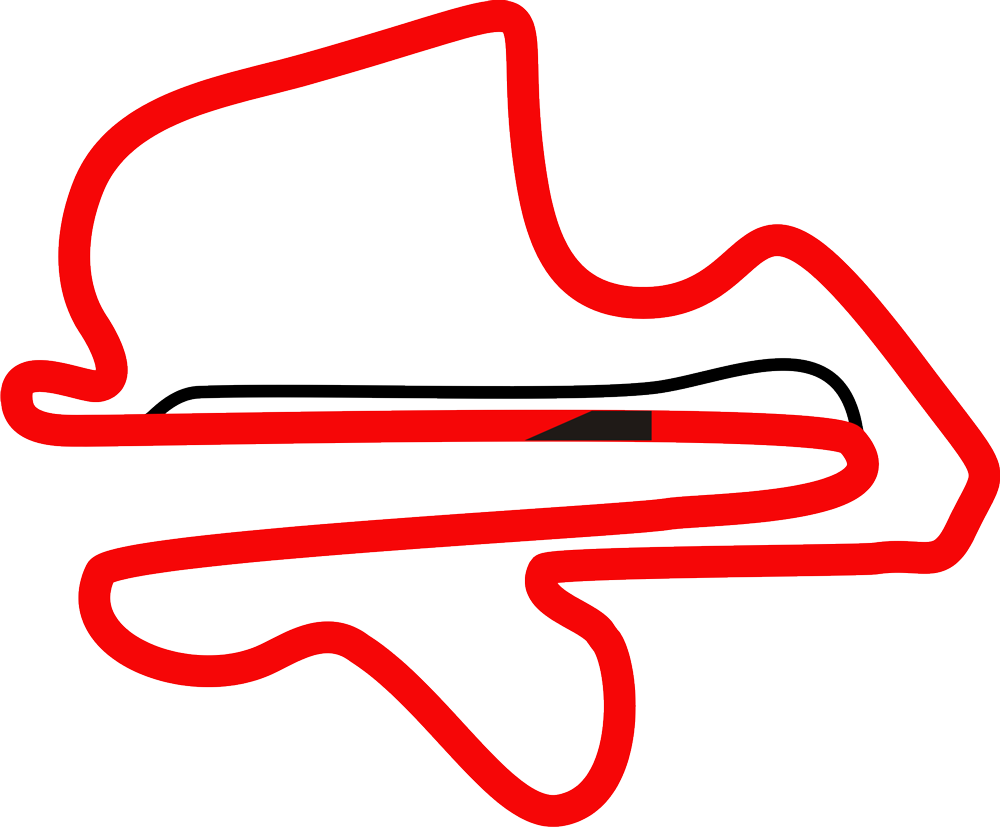
The Azerbaijan round therefore provided the clearest explanation yet of why the W17 remains the benchmark on the grid, despite receiving no upgrades since the Canadian weekend at the end of May. Those updates, however, will return to the fore in the coming days in Malaysia, with the aim of wrapping up the double-title battle as soon as possible.
All the news, photos, weather, session times and times from the Azerbaijan GP 2026