 By:
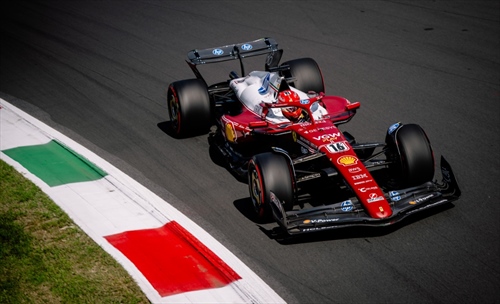
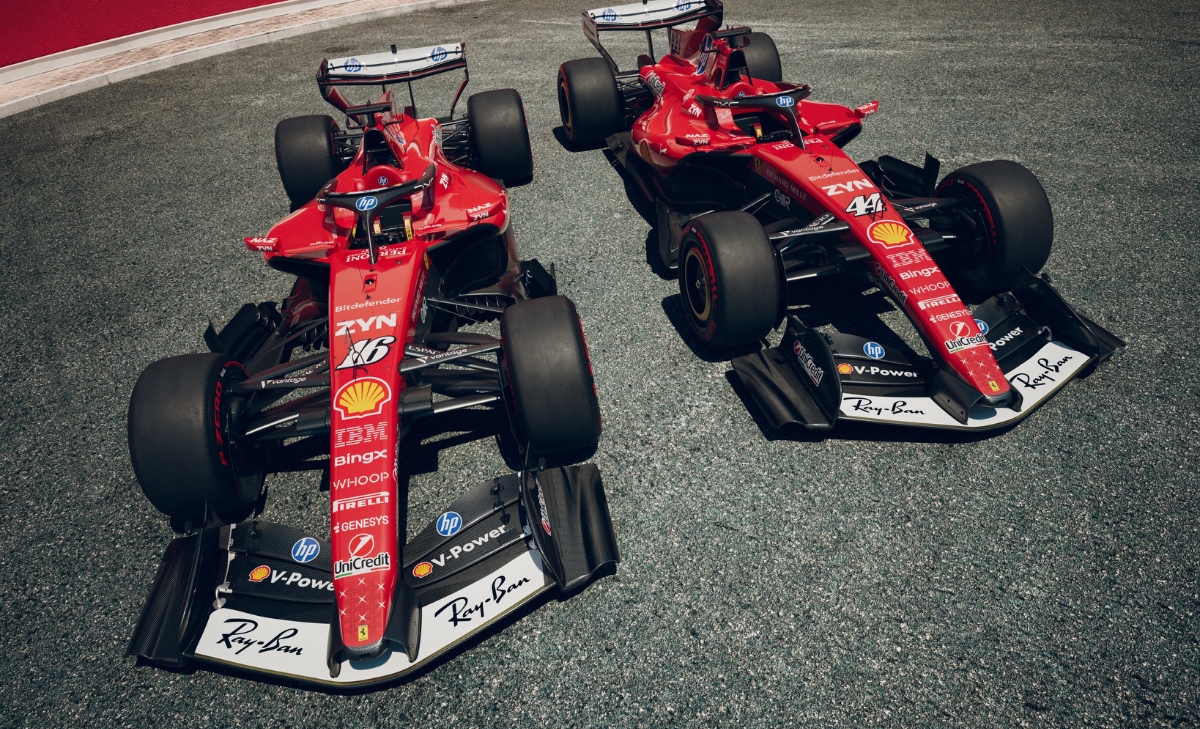
By: During the course of today, Ferrari team principal Frederic Vasseur officially confirmed that the two SF-26s driven by Charles Leclerc and Lewis Hamilton will be fitted with an upgraded engine for the second time, as permitted under the ADUO regulations.
Regardless of how many horsepower this modification may deliver and its overall effectiveness, there is no denying that Ferrari’s two standard-bearers will have a car that is virtually at the peak of its development.
The SF-26 is nearing the end of its development

The SF-26 is an undeniably well-conceived car, one that has interpreted the new regulations very effectively while also introducing some aggressive solutions.
The rotating “macarena” wing and the FTM system, which uses exhaust gases to enhance rear-end downforce, have quite literally set the standard. The group led by Loic Serra deserves considerable credit for this approach.
All the aerodynamic upgrade packages introduced during the season have had a positive effect, particularly the Barcelona package, which contributed to the two victories achieved so far.
The changes to the car’s floor introduced at Zandvoort also had a positive effect, although their effectiveness was undermined by poor race execution.
The situation is very different when it comes to the power unit, which is undeniably the weak point of this Ferrari.
As confirmed by FIA measurements, the Maranello engine is more than 4% behind the best unit and is eligible for two upgrades, the second and final one of which will be installed at Monza.
Monza represents a crucial moment

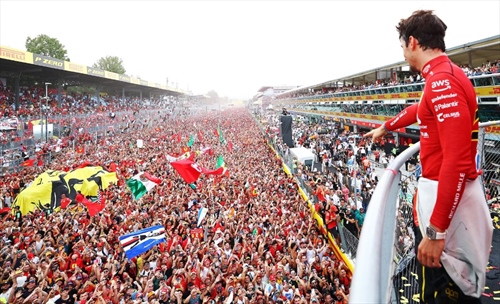
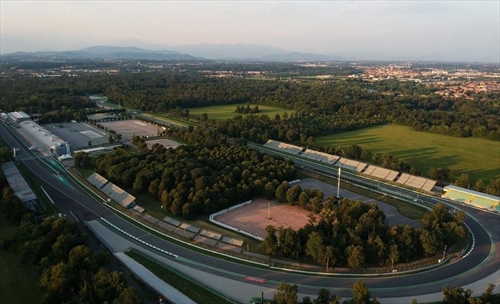
The weekend at Monza will therefore be hugely important for Ferrari: it is something of a last call.
If the Italian single-seater were still the third- or fourth-fastest car, with no clear upward trend despite the upgrades and flawless race execution, then any title dream would have to be shelved, forcing yet another postponement until next year.
Mercedes is too strong, particularly in terms of the power unit, to be caught, and it has not yet deployed its substantial upgrade package.
McLaren, which uses the same engine, also appears to have resolved its car’s issues, comfortably taking victories in two successive races.
Clearly, anything can happen, and this year the Italian car has accustomed us to flashes of considerable competitiveness, especially when they were least expected. However, the impression is that points have been earned more thanks to the difficulties of others – Mercedes’ reliability issues and McLaren’s early struggles – than through the overall merits of the package at its disposal.
Monza or nothing, then, if Ferrari is to avoid redirecting design resources to the new car and postponing everything once again until next year: 2027.
A fateful year, reminding us that twenty years have already passed since the last drivers’ championship.
All the news, photos, weather, session times and times from the Italian GP 2026