 By:
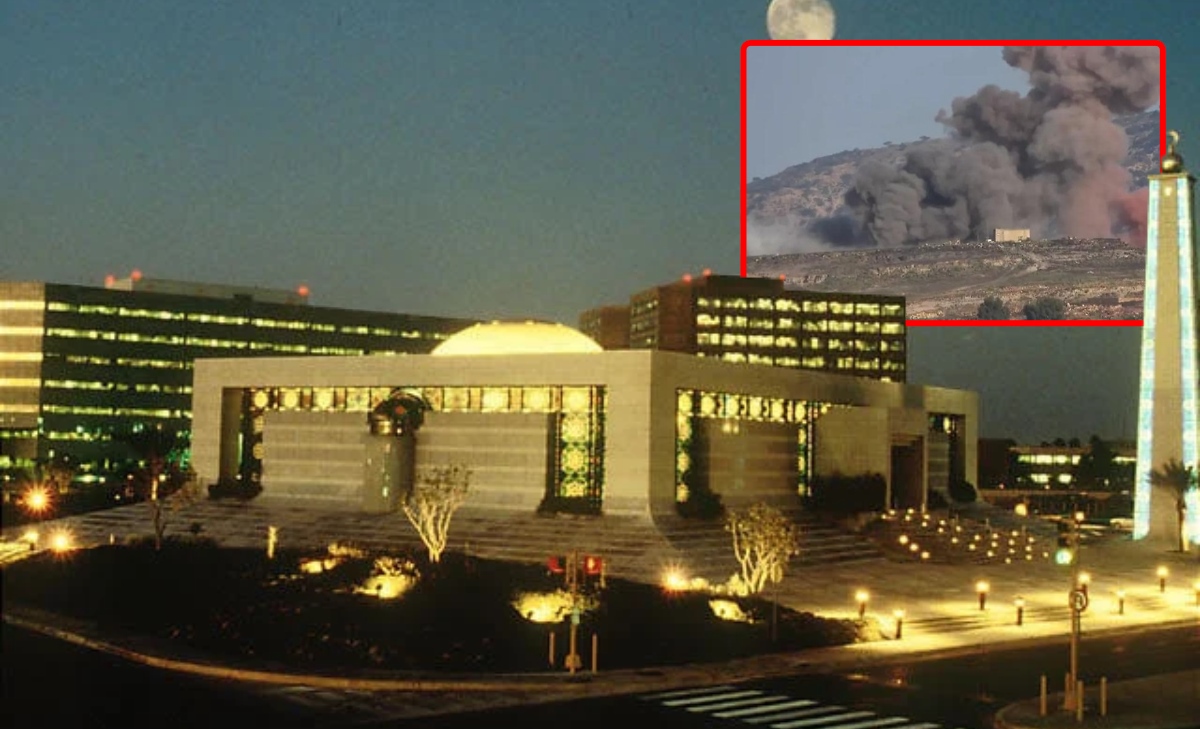
By: The renewed military escalation in the Middle East raises increasingly serious questions over the Formula 1 calendar and, in particular, the possibility of staging the Qatar Grand Prix, scheduled for 27-29 November and repeatedly confirmed by CEO Stefano Domenicali. Yemen's Houthis have claimed responsibility for attacks on Saudi Aramco's Dhahran oil complex and Riyadh International Airport, announcing further operations against strategic Saudi infrastructure.
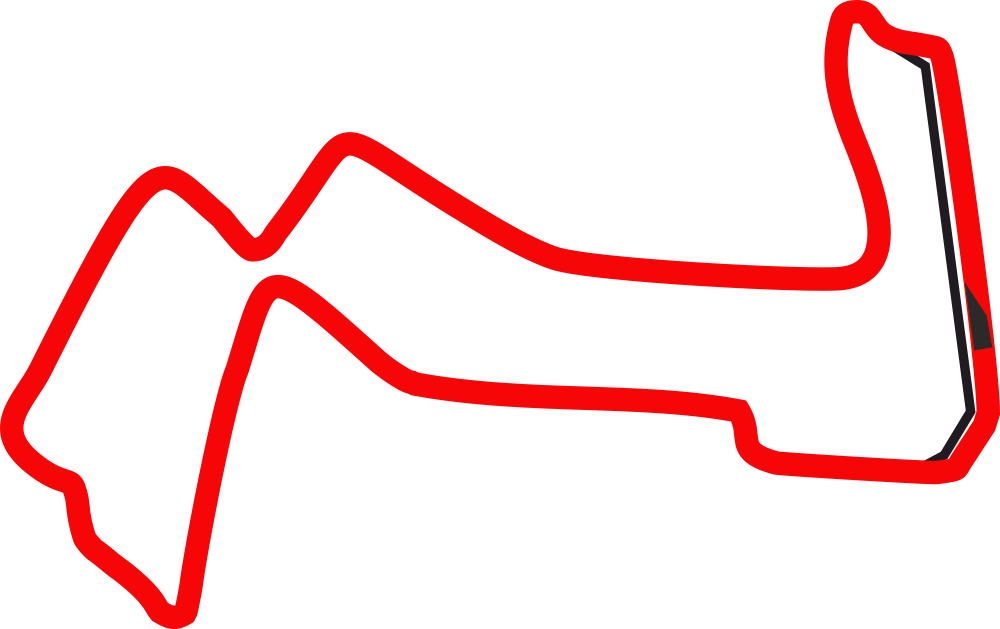
The Aramco complex that was hit lies around 160 kilometres as the crow flies from the Lusail circuit, a geographical proximity that makes the situation especially sensitive. The precedent from 2022 remains fresh in everyone's mind: during the Saudi Arabian Grand Prix weekend, a Houthi missile attack struck an oil depot a few kilometres from the Jeddah circuit. Despite drivers' concerns, Formula 1 chose to race on.
This time, however, the issue is not solely one of safety. There is also an ethical question that Formula 1 and the FIA can no longer ignore. A Grand Prix is not merely a race: it is an event that generates considerable economic activity, mobilises public and private investment, attracts tourism, delivers international visibility and helps promote the image of the host country.
It is therefore legitimate to ask what message a sport sends by continuing to stage major events in the region while an armed conflict is under way, with civilian casualties and infrastructure targeted by missile attacks. Above all, it must be asked whether it is acceptable for the championship's commercial interests to continue taking precedence over every other consideration.
It is, of course, necessary to distinguish between the responsibilities of individual countries. Saudi Arabia is directly involved in military operations in Yemen, while Qatar cannot automatically be regarded as part of the same conflict. That does not, however, remove the need to consider the economic and political consequences of an event held in an area affected by such an escalation.
Formula 1 cannot claim to stand apart from politics when those very politics determine where it races, which commercial agreements it signs and which investments it accepts. Nor can it ignore that a Grand Prix is also an exceptional instrument of international promotion for the governments that host it.
The safety issue remains equally real. With airports and energy infrastructure in the crosshairs, and further military operations already announced, it appears exceptionally difficult to guarantee the conditions required for an event involving thousands of people.
For these reasons, cancelling the Qatar Grand Prix should be considered immediately, without waiting for a further deterioration in the situation to make inevitable a decision that is already justified by concrete concerns. Abu Dhabi must also be subjected to an equally rigorous assessment.
Formula 1 has built an important part of its economic growth through expansion in the Middle East. But there is a limit beyond which the value of a contract cannot become the sole criterion for making a decision. And if motorsport wishes to continue presenting itself as a sport capable of promoting universal values, it must show that those values matter even when they risk compromising the championship's economic interests.