 By:
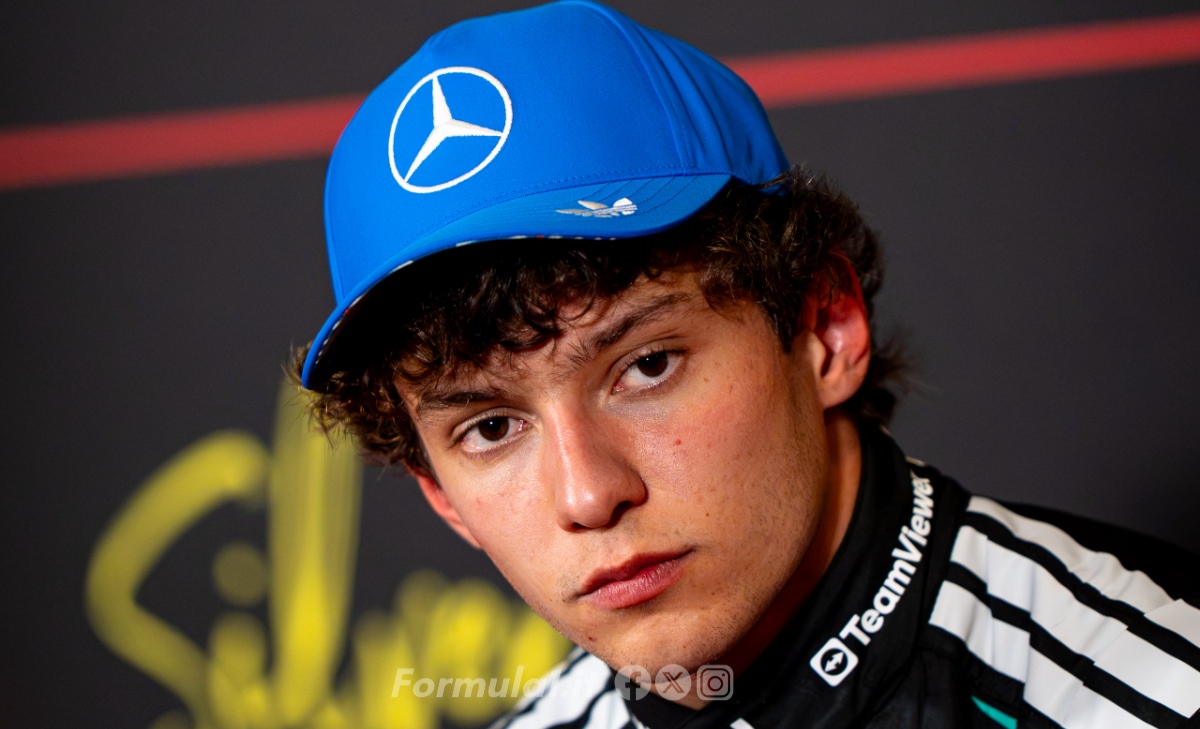
By: Kimi Antonelli will be one of the leading figures during the Monza Grand Prix weekend.
The Mercedes driver is not merely heading into his home race, where he will be greeted by the Italian fans, but arrives as the commanding leader of the world championship after a first half of the season in which he has won six times, five of them consecutively.
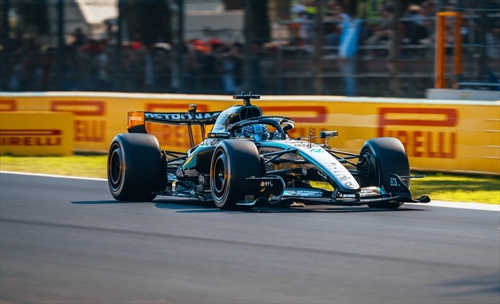
Alongside the great maturity and impressive driving ability with which the 20-year-old from Bologna has managed his season so far, credit must also go to a Mercedes which, with the W17, has interpreted the new regulations superbly, particularly with regard to the power unit, unquestionably the best in the field when it comes to managing the limited energy available overall.
The spectre of superclipping at the high-speed Monza circuit

The issue of the complexity of energy management at the ultra-fast Brianza circuit is a major talking point ahead of the Grand Prix.
No one knows exactly what to expect from the new cars at such an energy-intensive circuit. Indeed, there are major concerns over the prospect of superclipping (the phenomenon introduced by the new regulations whereby the car slows on a straight despite full throttle as the electric motor recharges the battery), as well as its impact on the spectacle.
After the opening races, overwhelmed by criticism, the Federation decided to lower the harvesting limit in qualifying in order to avoid a spectacle featuring cars forced to slow in high-speed sections, something clearly at odds with the spirit of a qualifying “flying lap”.
Antonelli’s view
The subject was one of the points addressed by the Italian driver in an interview given during an event this morning for FIA-accredited Italian media, also attended by formula1.it.
Asked how driving at Monza will change under the new regulatory framework, Antonelli said:
“I tried it in the NDR simulator and it is not ideal, but it is not that terrible either. I think Australia was the worst race in terms of superclipping and will remain the worst of the whole year. Reducing the number of megajoules you can recover during the lap has meant there is much less superclipping. There will be more time on the straights where only the internal combustion engine will be used instead of the battery. So we will not see the sharp drop in speed typical of superclipping; rather, the speed will remain constant. From that point of view it is much better, otherwise it would have been a bit of a disaster. It is much better to drive than I expected, even though it is by far the worst track for the power unit.”
All the news, photos, weather, session times and times from the Italian GP 2026