 By:
By: Not just testing in Bahrain. It was thought that last Wednesday would be a great day in terms of technical regulations. In fact, the ‘F1 Commission’ met in Sakhir to decide on the measures to be taken in terms of fuels, powertrains and starting system. Unfortunately, at least for now, everything has gone up in smoke. We will have to wait until the end of the tests to make the final decision on these topics. Being a bit thorny, it was decided to collect further data before making any decisions.
Obviously, the greatest attention, also from a media point of view, was focused on the compression ratio used by Mercedes, a manufacturer that would also pass the recently introduced hot tests. New methods strongly desired by rival manufacturers, who would now further complain that they were likely not performed at the exact operating temperatures. The meeting highlighted the proposal to adopt another 130°C control method, starting August 1°, 2026.
The fuel problem subsequently arose, with some companies struggling to obtain FIA certification in time. In this case, it appears to be Petronas, the company that supports Mercedes, the one with the biggest problems at the moment. There would be a possibility that someone would ask to be able to race the first GPs on last year's fuel, obviously with repercussions on development and the engine.
Ferrari farsighted and pioneering, Mercedes breathes thanks to the latest FIA regulations
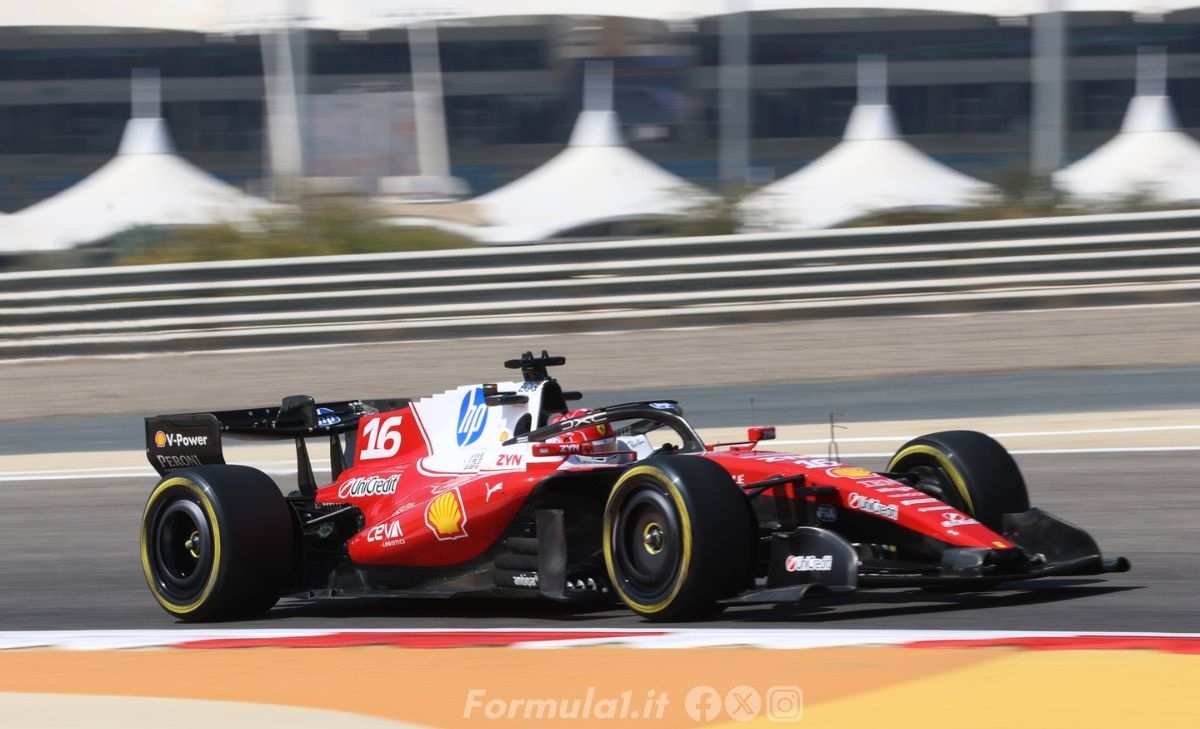
This week, the issue of the departure system was discussed. According to Roberto Chinchero, on Wednesday, there was a thorny issue to be resolved. Ferrari appears to have developed a better starting system to address turbo lag issues. This is a unique argument, since the Maranello-based manufacturer's system would allow them to open up a very wide gap compared to their opponents, too wide. So much so that there was speculation that cars, those that don't have one, would have to start from the pit lane.
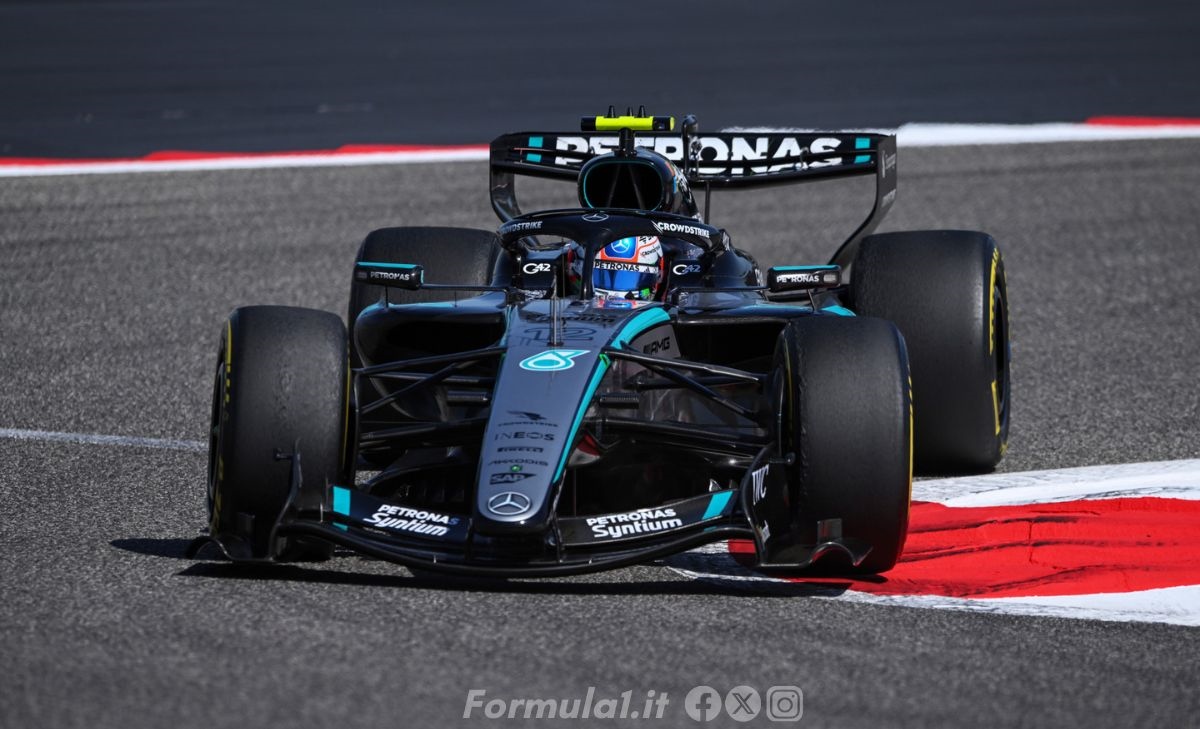
The main focus, it emerged on Wednesday, was on an issue that emerged at the end of last season. There are two aspects of the powertrain that could affect starts: the size of the turbo and having sized or knowing how to find/have the energy needed to resolve the turbo lag present in this delicate phase. Ferrari, as reported by Chinchero on ‘Sky Sport F1’ on Wednesday, had already raised the issue in recent months and solved part of the problem by adopting a smaller turbine, compared to what Mercedes did for example.
The Stuttgart-based manufacturer, aiming for a larger turbine, preferred to focus on greater reliability on the more difficult tracks due to thin air (such as Austria and Mexico). Obviously this puts Mercedes in more trouble than Ferrari.
The problems that could arise were evident, so, in the last few hours, discussions on the safety of departures have led to a change of course. After giving the drivers an extra five seconds to prepare the turbos, the FIA also considered banning the use of active straight-line aerodynamics at the start (read here, in italian language, for more information).
Hopefully this will be enough to ensure the safety of the departing pilots and keep the show alive.
Cover and internal photo: Pirelli
Read also in italian language the article, was write last Wednesday, February 18th: Sistema di partenza e turbo lag: la Ferrari ci ha visto lungo